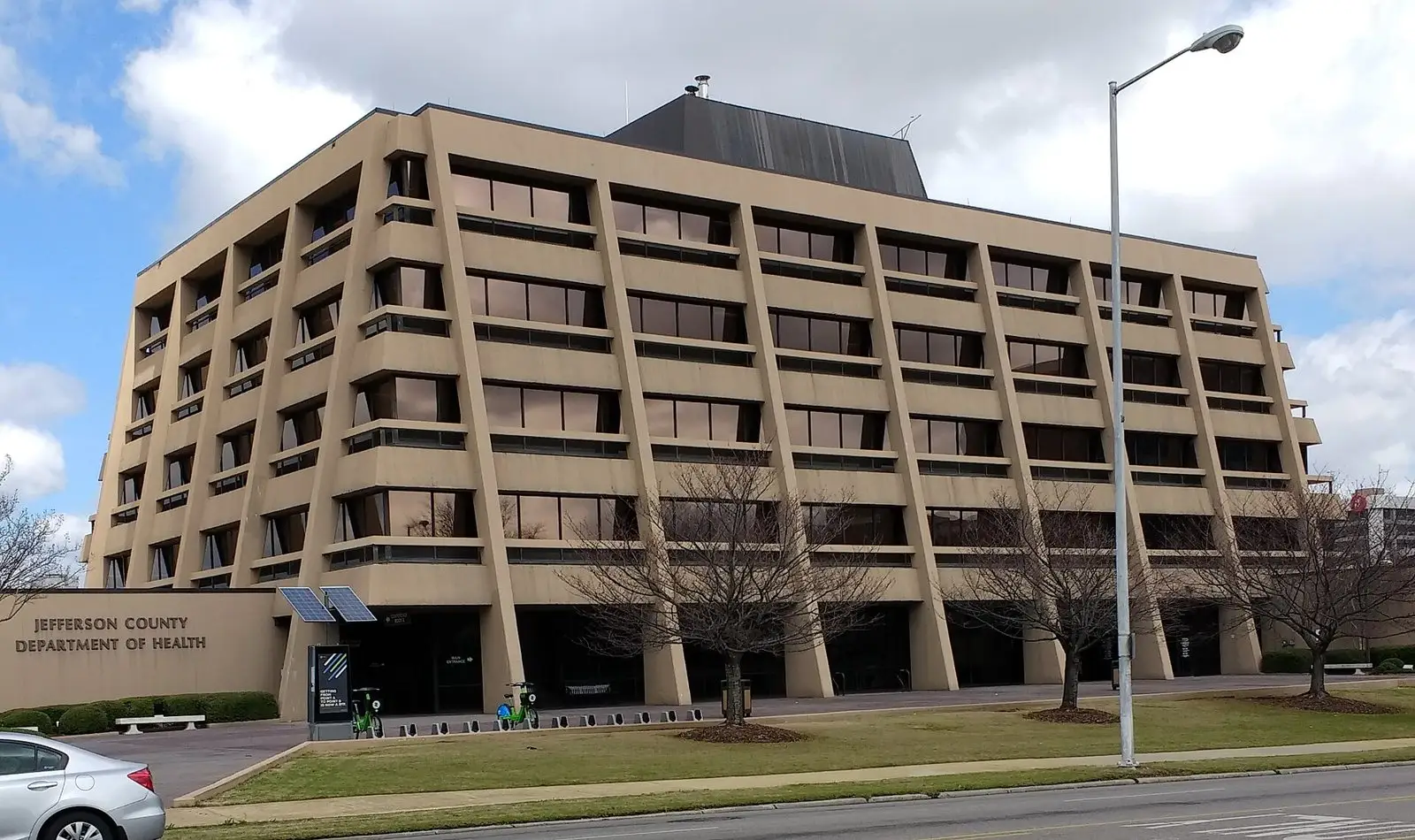
While she was a chief medical officer, Anne Newland was also the Coconino County Health Department's immunization medical director, as well as medical director at the county's detention center for juveniles. Much of a county department's work looks ordinary from the street: a clinic on a weekday morning where nurses check records, answer questions and give scheduled shots. A typical example is the measles, mumps and rubella vaccine, which doctors recommend in two doses, the first at 12 to 15 months of age and the second at 4 to 6 years, according to a 2026 KNAU report on a county measles case1.
What a local health department does
Local health departments are the part of government closest to residents' daily health. NACCHO, the professional body for county and city health officials2, describes them through four lenses in its national studies: funding, staffing, how they are organized and what they do. The association's research list shows how wide the work runs3. Recent reports cover immunization programs, mosquito and tick control, retail food safety standards, overdose prevention, readiness for extreme weather, infections acquired in health care settings, tobacco control in rural communities and programs for family healthy weight and physical activity.
Some counties combine health with social services. A flyer from Coconino County's combined health and social services department4, issued early in the COVID 19 emergency, offered income eligible seniors, disabled residents, families, veterans and people in crisis help with electric, gas, wood, water and propane bills, along with rental and move in assistance. The department switched those services to phone appointments only, with a table placed outside one office for people who had no phone. The flyer also directed residents living on the Navajo Nation to check with the Nation's own Social Services Division, a reminder that county and tribal programs run side by side.
How the nation counts its health departments
NACCHO's main tool is the National Profile of Local Health Departments, a census it conducts every three years2. The study describes the funding, staffing and activities of local departments across the United States and is the association's main source of data on them. The first Profile questionnaire went out in 1989 and the first report in 1990. A companion survey by the Association of State and Territorial Health Officials profiles the state level agencies.
- 1989The first Profile questionnaire is fielded, with results released in 1990
- 1992A second round runs from October 1992 to December 1993
- 2005The Profile is fielded from June to November
- 2010The questionnaire goes out from September to November
- 2016The Profile is fielded from January to April
- 2019The questionnaire runs from March to August
- 2022The latest Profile describes local infrastructure and practice
The staffing questions have grown more pointed. NACCHO's research list includes studies of how the local public health workforce grew during the pandemic from 2019 to 2022 and whether that growth could last, a calculator for estimating workforce needs, and the 2024 Forces of Change survey on public health nursing and training programs3. Other reports track the training needs of new local health officials and evaluate a leadership program for public health executives. A peer reviewed paper on the list compares the services of rural and urban departments, and another assesses the state of rural public health.
Reaching rural residents
Distance and connectivity shape rural public health more than almost anything else. In Panola, Alabama, a hamlet of 144 people, a 2021 New York Times report5 found a convenience store owner, Dorothy Oliver, acting as an informal hub for residents seeking COVID 19 vaccines. Many neighbors lacked smartphones or internet service to book appointments. Oliver booked slots online and matched people with drivers for the 45 minute trip to Livingston, the seat of Sumter County and the nearest town giving shots. Nearly three quarters of the county's residents are African American.
Local leaders told the Times that hesitancy was not the main barrier5. Large parts of Alabama and Mississippi lacked internet or reliable cell service, medical providers were scarce, and the health system had long overlooked Black residents' needs.
“the bigger obstacles are structural”The New York Times, reporting from Panola, Alabama, in 2021, The New York Times
When residents cannot reach the clinic, health departments bring the clinic to them. By May 2021, the Times reported6, nurses, technicians, emergency medical workers and community partners were taking vaccines to the doorsteps, streets and churches of people who were homeless, lacked transportation or had no internet access. Los Angeles was closing its 10 mass vaccination sites and expanding its mobile units from 10 to 14, and fleets of mobile clinics were rolling through Delaware, Washington State and Minnesota. The same approach supports routine programs such as free childhood vaccines and HIV testing, where a nearby site often decides whether a person is reached at all.
Why local presence matters in a crisis
Outbreak response depends on knowing a place well. In March 2026, county health officials confirmed the county's first measles case of the year, in a resident who tested positive in Page1. Officials worked to notify anyone who might have been exposed, naming three places and times: the town's high school and a grocery store on March 12 and the local hospital on March 16. They asked people who had been there to watch for symptoms for three weeks, to isolate and call a provider if symptoms appeared, and to schedule a vaccine through the county's wellness clinic.
- 1Confirm A resident's positive test is reported to county health officials
- 2Trace Officials list the places and hours where others may have been exposed
- 3Notify The public is told to watch for fever, cough and rash for three weeks
- 4Isolate Anyone with symptoms is asked to stay home and call a provider
- 5Vaccinate Residents are urged to get two MMR doses through the county clinic
The stakes reach beyond one county. The same KNAU page carried an Associated Press report that the United States was close to losing its measles elimination status, as Canada already had1. NACCHO's preparedness research, including its studies of how local departments and the Medical Reserve Corps responded during the pandemic and how preparedness plans account for people experiencing homelessness, points the same way3. A state can send supplies and a federal agency can issue guidance, but only a local department knows which school, store and clinic to name within days, which residents lack a phone and which road leads to the next town with a vaccine. That local knowledge, built in quiet years, is what lets a department act quickly once a crisis arrives, and it is one reason physicians train in public health before taking on county roles.
References
- Coconino County officials confirm first measles case of the year. KNAU, 2026.
- National Profile of Local Health Departments NACCHO. National Association of County and City Health Officials.
- Local Health Department Research NACCHO. National Association of County and City Health Officials.
- coconino county health & human services. City of Flagstaff.
- ‘All Hands on Deck’: When Vaccinating Black People Is a Communal Effort (Published 2021). The New York Times, 2021.
- They Haven’t Gone for a Shot. So Shots Are Coming to Them. (Published 2021). The New York Times, 2021.
Further reading online
- KNAUCoconino County officials confirm first measles case of the year
- National Association of County and City Health OfficialsNational Profile of Local Health Departments NACCHO
- City of Flagstaffcoconino county health & human services
- The New York Times‘All Hands on Deck’: When Vaccinating Black People Is a Communal Effort (Published 2021)
Related entries

School Vaccination
From an 1827 Boston rule to today's kindergarten counts, how schools came to check vaccine records.
HIV Testing in America
From two week waits and pretest counseling to a result in 20 minutes, and why it mattered.
Why Physicians Study Public Health
Epidemiology, biostatistics, a field practicum and a debate over what counts as a professional degree.


