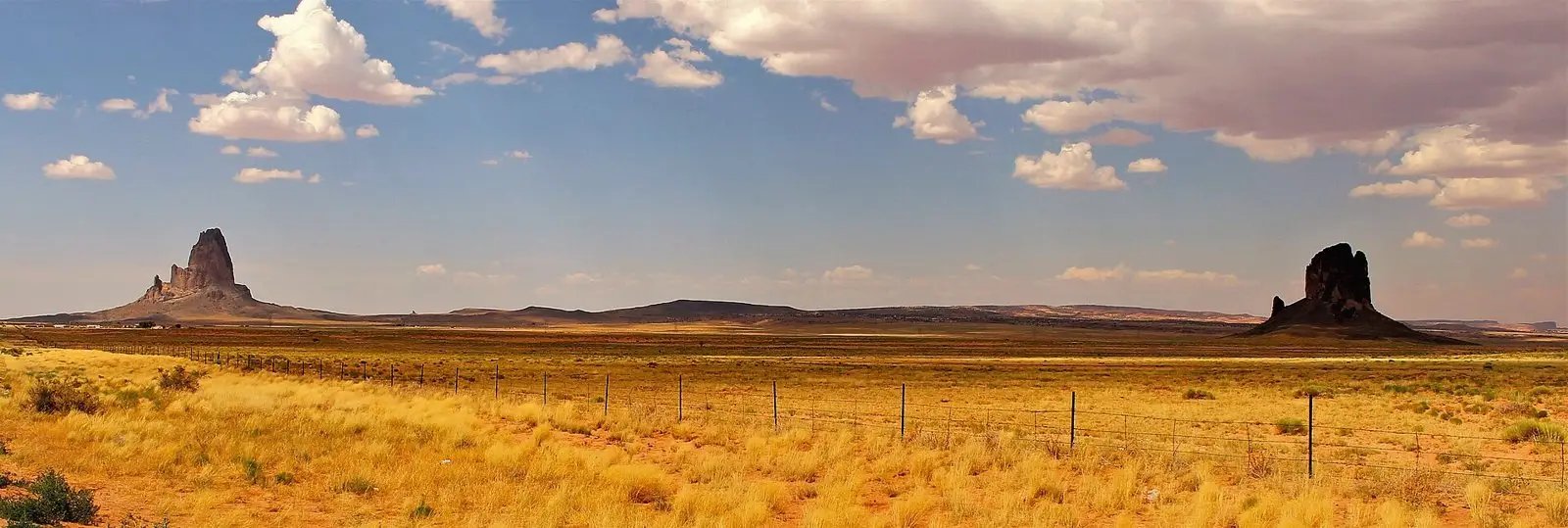
The Indian Health Service and Tribal Health
From August 2004 to May 2012 Anne Newland was a physician with the Indian Health Service at Kayenta Health Center on the Navajo Nation, seeing clinic patients and covering emergencies. The entries in this section explain the system around that kind of post: a federal agency with a duty to American Indian and Alaska Native people, and a growing number of tribes that run hospitals and clinics themselves.
The duty is old. A Navajo Times look back at November 1964 recalls that the treaty signed in 1868 carried a federal promise of free health care for every Navajo, and that nearly a century passed before a Navajo physician, the surgeon Taylor McKenzie, went to work for the agency. The Indian Health Service traces how that promise became an agency, who qualifies for its care and why its budget has never matched its mandate.
Health care on the Navajo Nation follows care across tribal lands that cover about 27,000 square miles of Arizona, Utah and New Mexico. A psychiatrist at Sage Memorial Hospital in Ganado told Cronkite News that clinicians there often leave within six months to a year. In spring 2024 the hospital's staff were still treating patients in a building from the 1960s while a $177 million replacement, with housing for future staff, neared completion beside it, according to a Cronkite News photo essay.
Health facilities in Indian Country looks at what it takes to replace an aging clinic in a remote place. Tribal public health explains how tribes use their authority as governments to trace disease and vaccinate. Health gaps for American Indian people sets out the measured differences in life expectancy and disease, and Native American physicians covers why so few doctors are Native and the schools trying to change that. The Every entry page lists each entry on the site.
What this subject covers
6 entries, every one cited and illustrated.
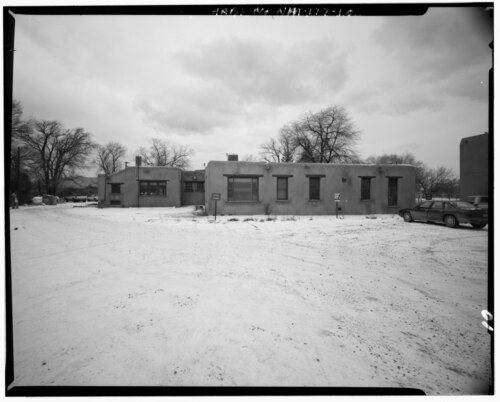
The Indian Health Service
From the War Department to a federal agency: the history, structure and budget of Indian health care.
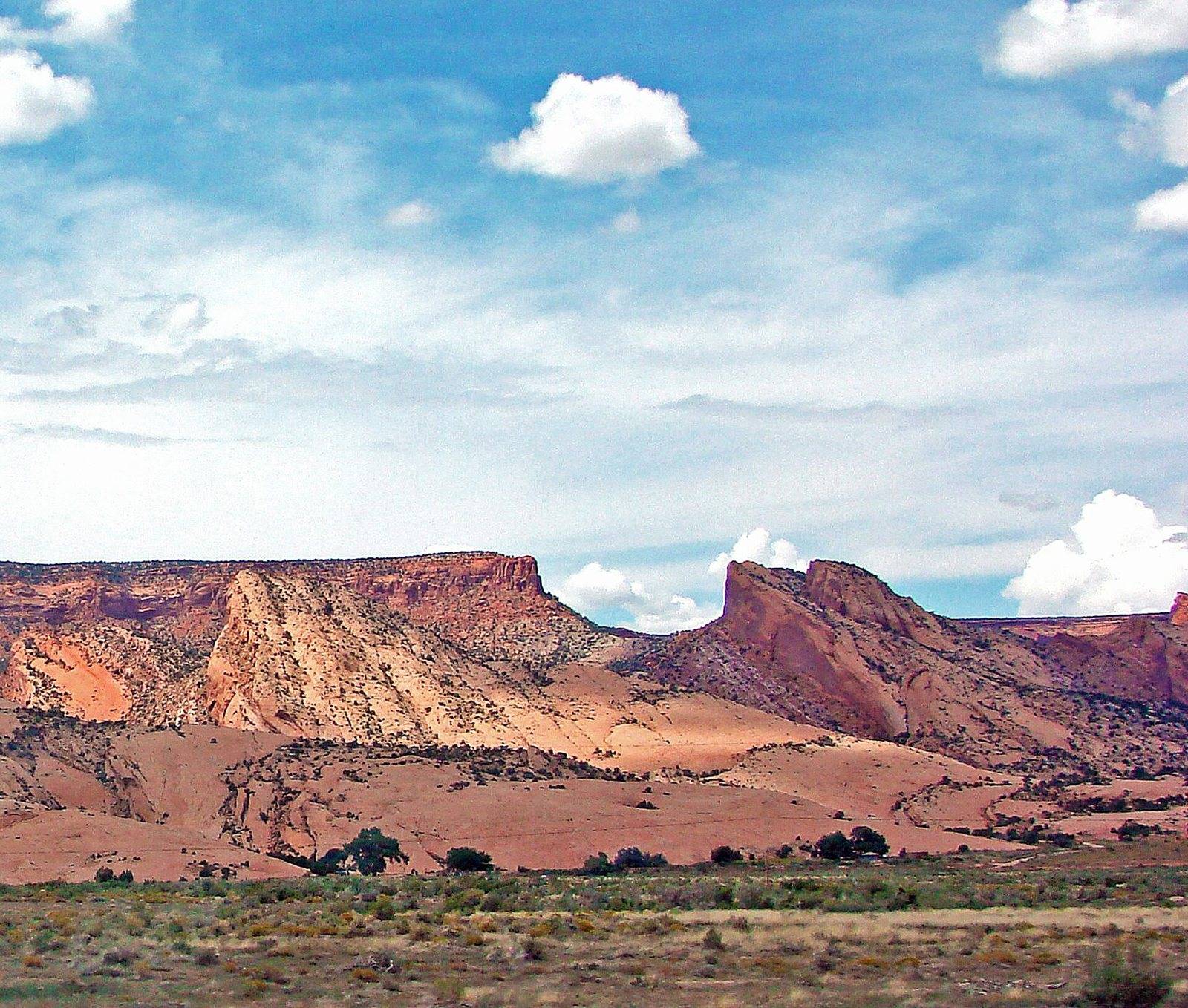
Health Care on the Navajo Nation
Federal clinics, a Navajo run hospital in Ganado and the long drives between them.
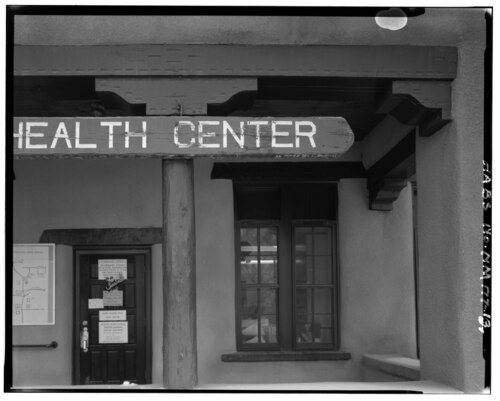
Health Facilities in Indian Country
Why replacing a reservation clinic takes years, costs more and depends on housing and staff.
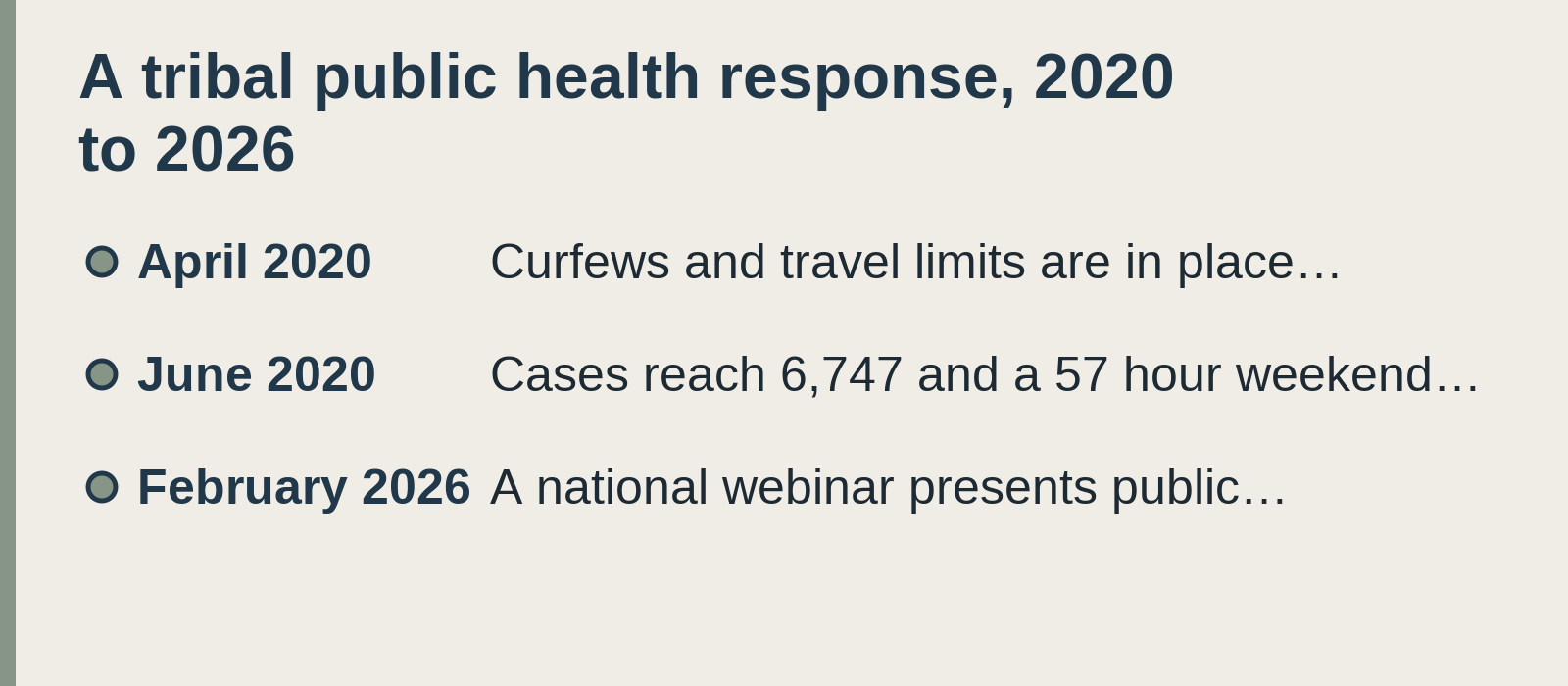
Tribal Public Health
Tribes hold the legal power to protect their citizens' health, and the pandemic showed how they use it.
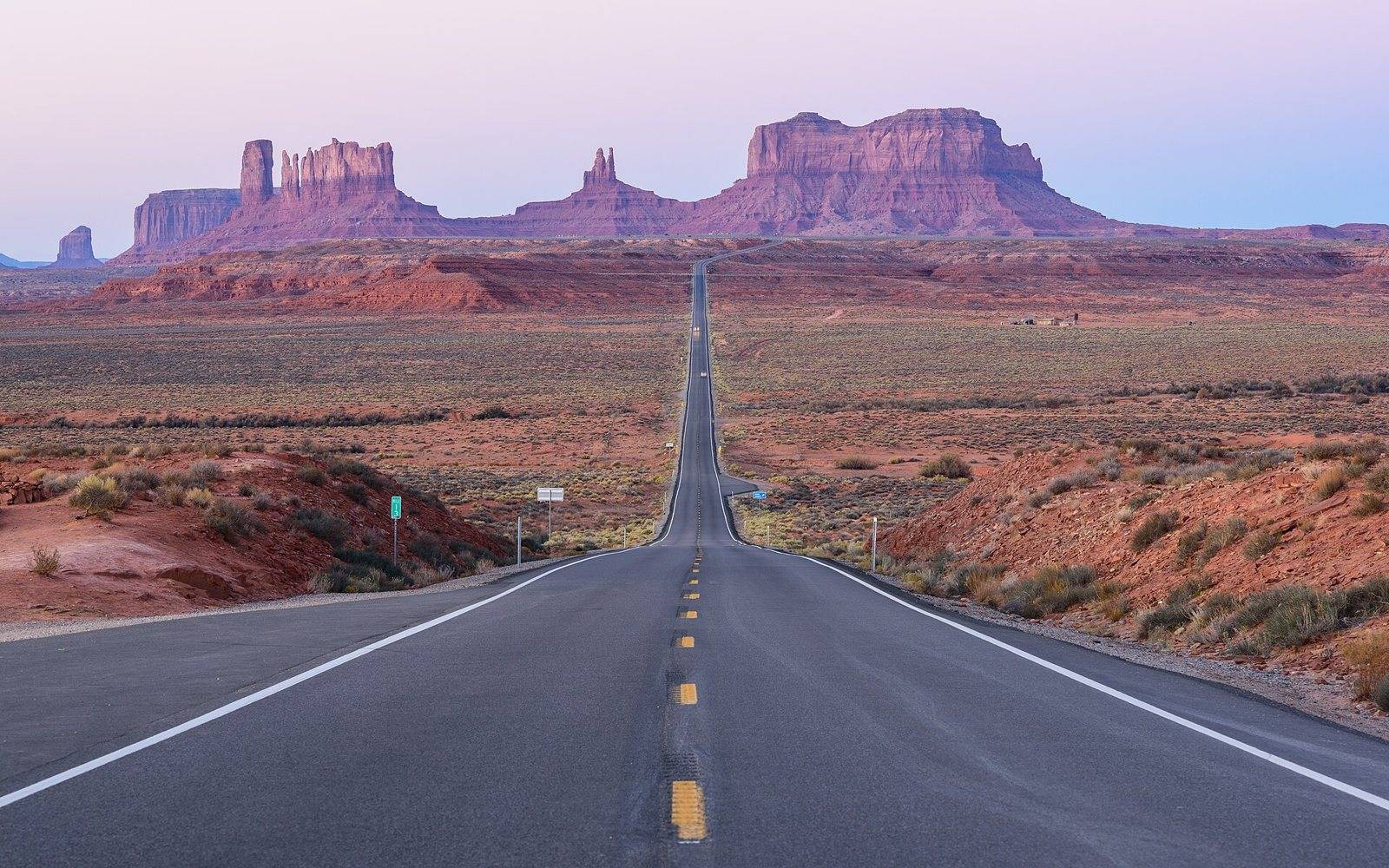
Health Gaps for American Indian People
Federal data on where Native health trails the national figures, where it does not, and why.
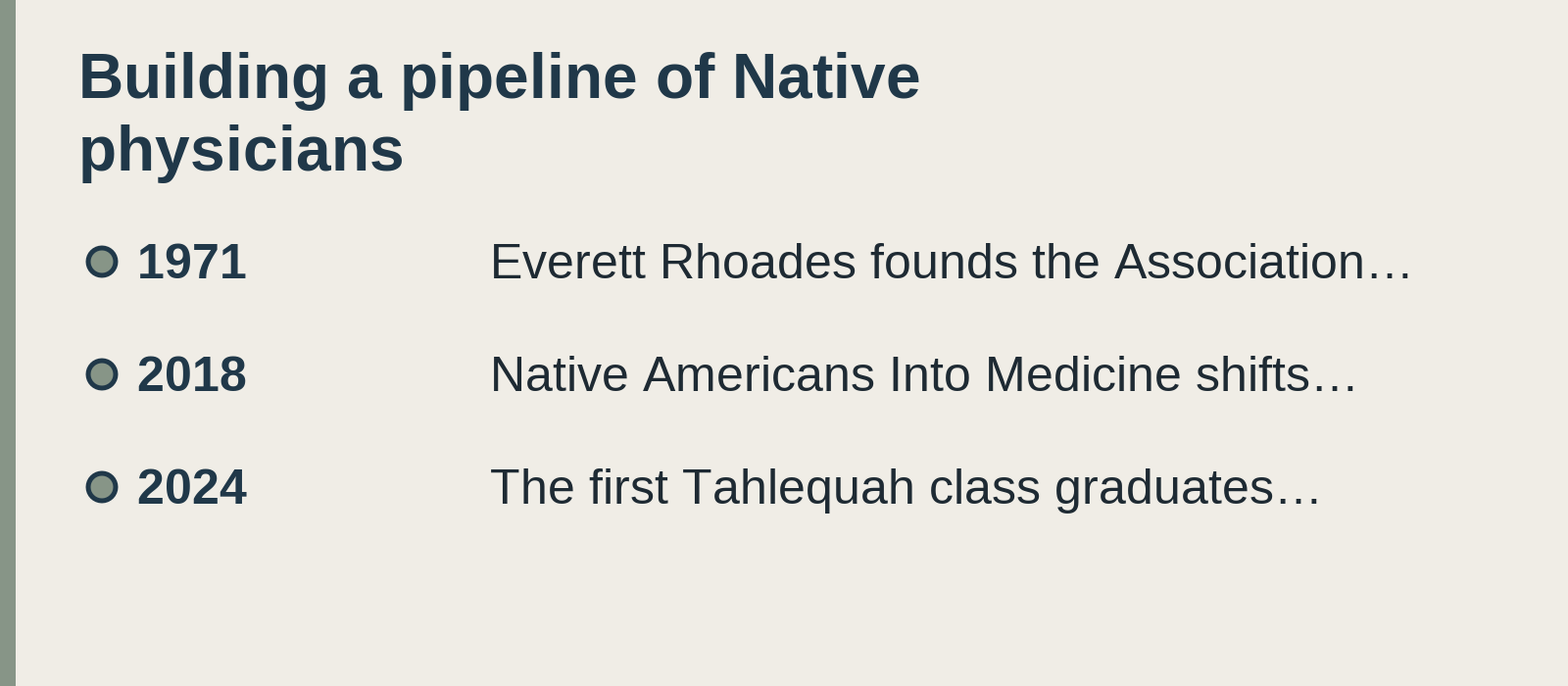
Native American Physicians
A medical school on Cherokee land, pathway programs and the pioneers who built them.


