
Comics, Music and Medicine
Anne Newland makes comics and takes part in the Graphic Medicine International Collective, plays guitar as well as piano, and counts the health humanities among the subjects she wants to write about and speak on. The entries gathered here explain the ground those interests share: the places where art has worked its way into clinics, classrooms and hospital wards.
The largest group concerns comics. Graphic medicine explains how autobiographical comics about illness grew from the underground comix of the 1960s and 1970s into a named field, a history traced by Shannon Sandford in The Conversation in 2021. The tradition reaches well beyond the English language; in 2010 The Guardian's graphic medicine series profiled Osamu Tezuka, the manga artist it credits with shaping debate over medical reform in Japan. Comics in medical education follows the classes where students draw their own training, including a Penn State course in which nearly half the students pictured their supervisors as monsters, as NPR reported in 2015. Comics and health education looks at booklets and leaflets written for children and patients and at what randomized trials say about them, and books of graphic medicine surveys the memoirs, anthologies and manifesto that the field treats as its core reading.
Two entries widen the frame. Music and medicine covers bedside performance, music therapy, research on rhythm in Parkinson's disease and the orchestras that doctors form in their spare hours. The medical humanities explains why medical schools have taught literature, drama, history and visual art since the 1960s, and what the evidence shows about empathy and observation.
Each entry cites its sources inline and links to its neighbors, so a reader can move from a single comic panel to the research behind it. Every page on the site, in this cluster and beyond, is listed on the Every entry page.

What this subject covers
6 entries, every one cited and illustrated.
Graphic Medicine
Comics about illness, caregiving and clinical work, and the artists, nurses and doctors who turned them into a field.
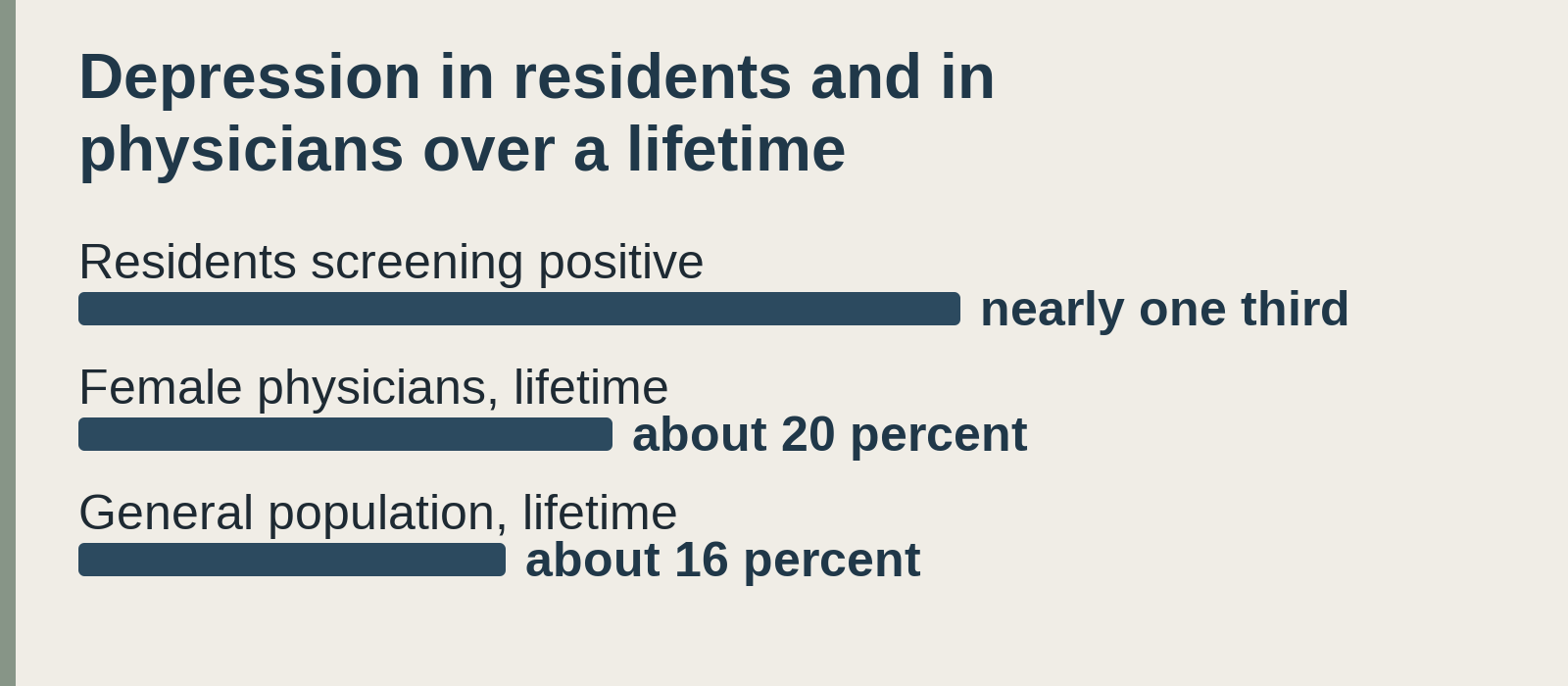
Comics in Medical Education
Why some medical schools hand students pens and paper, and what the resulting comics reveal about training.
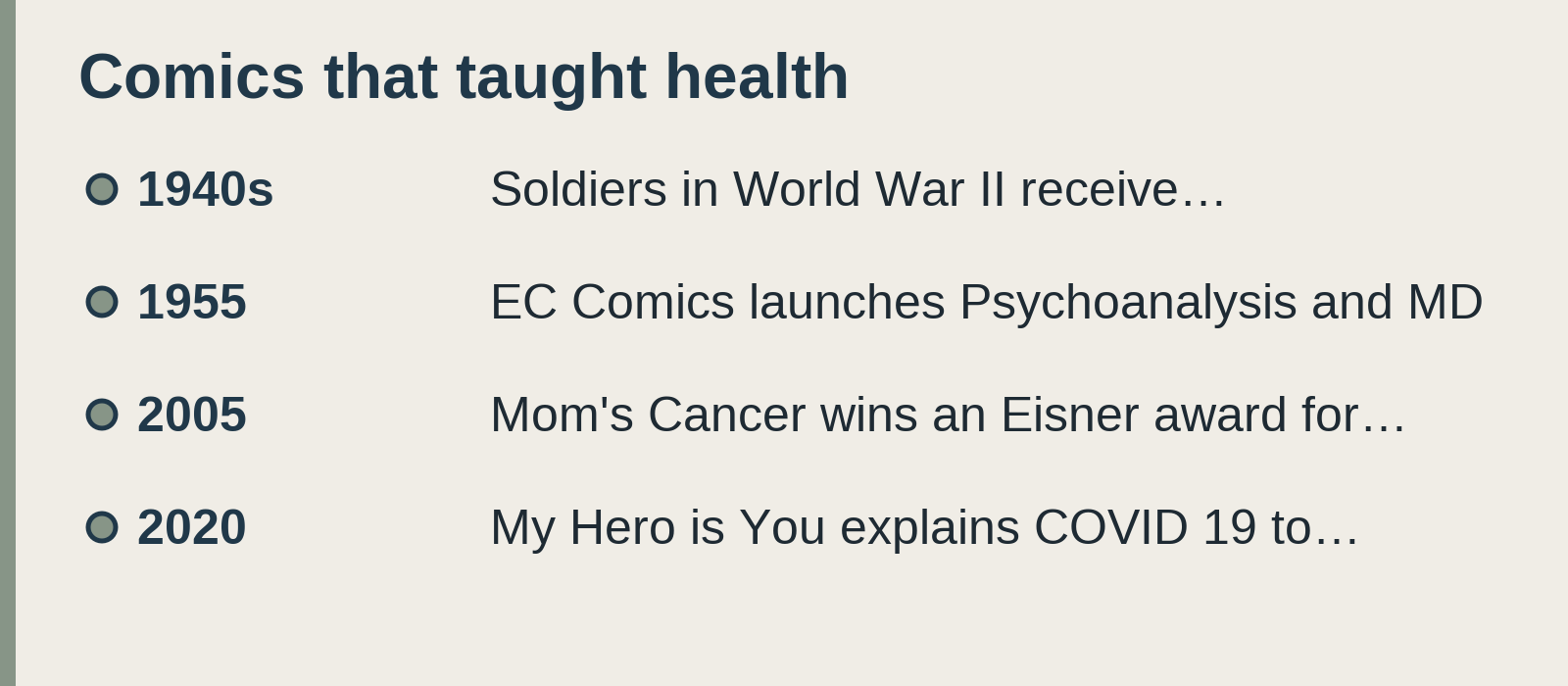
Comics and Health Education
From wartime posters to pandemic booklets, how comics teach health and what the trials say about them.
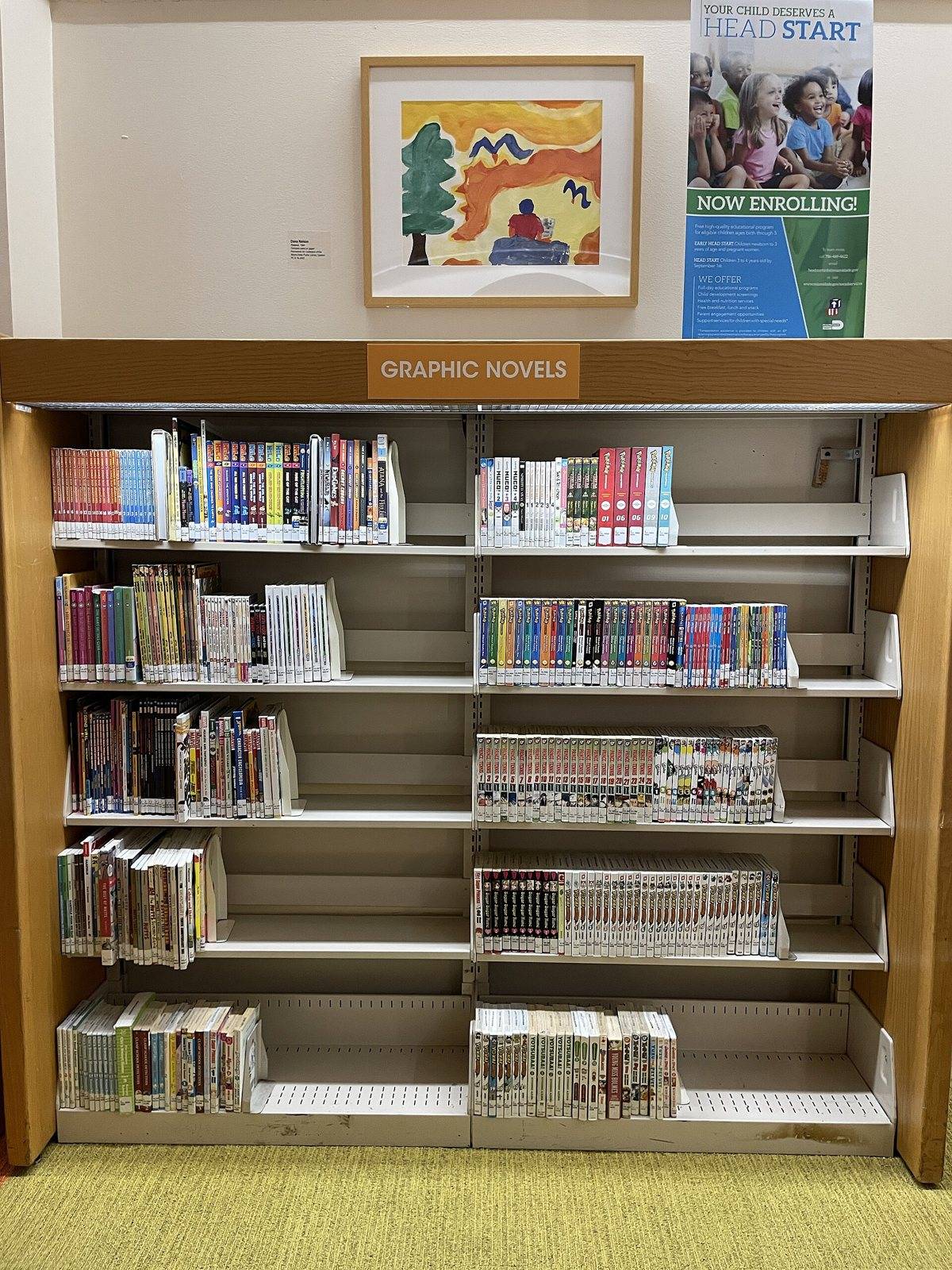
Books of Graphic Medicine
A reader's guide to the memoirs, anthologies and manifesto at the center of graphic medicine.
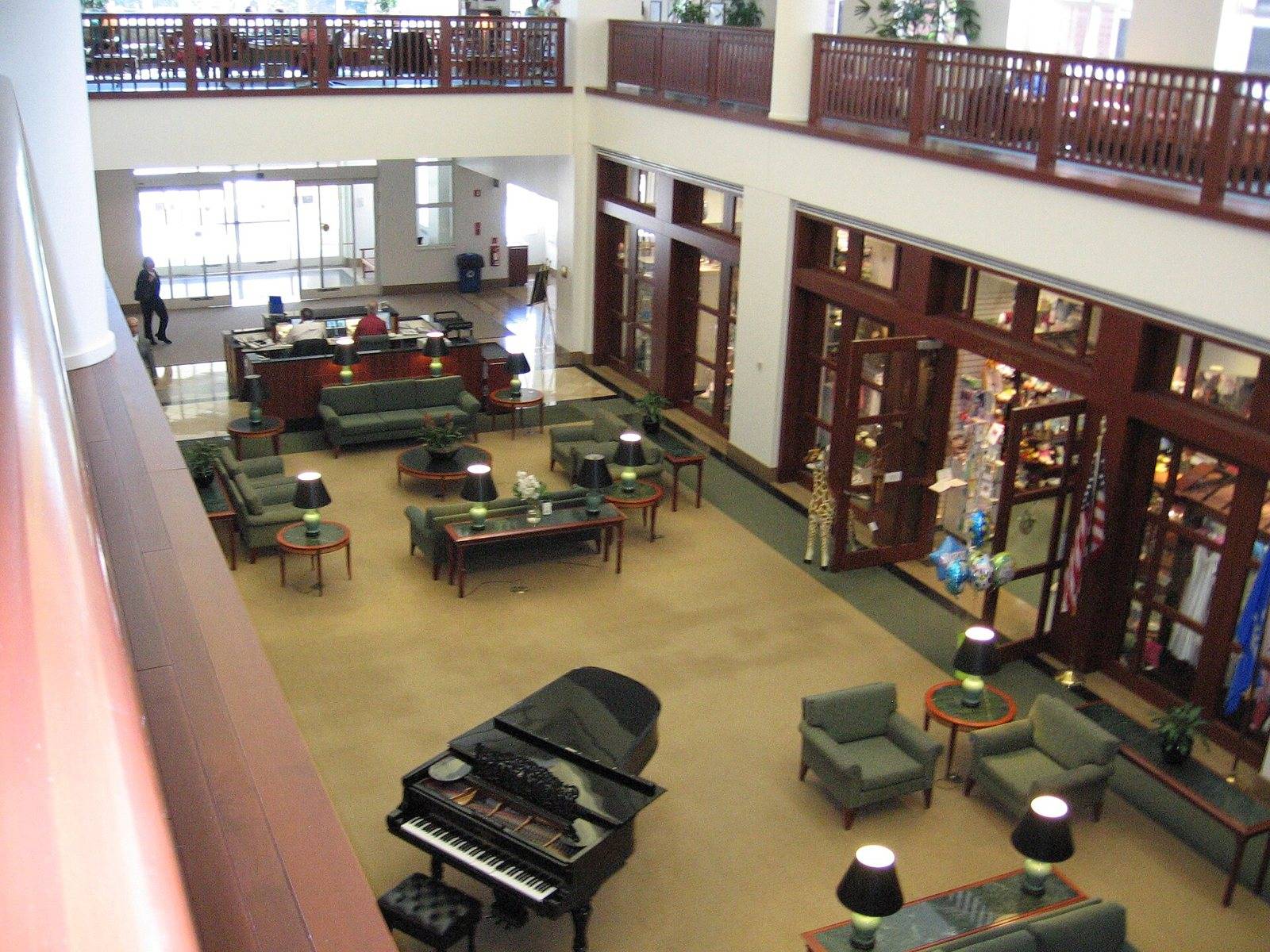
Music and Medicine
Bedside cellos, drumming circles for Parkinson's disease and orchestras of doctors: what music does in medicine.
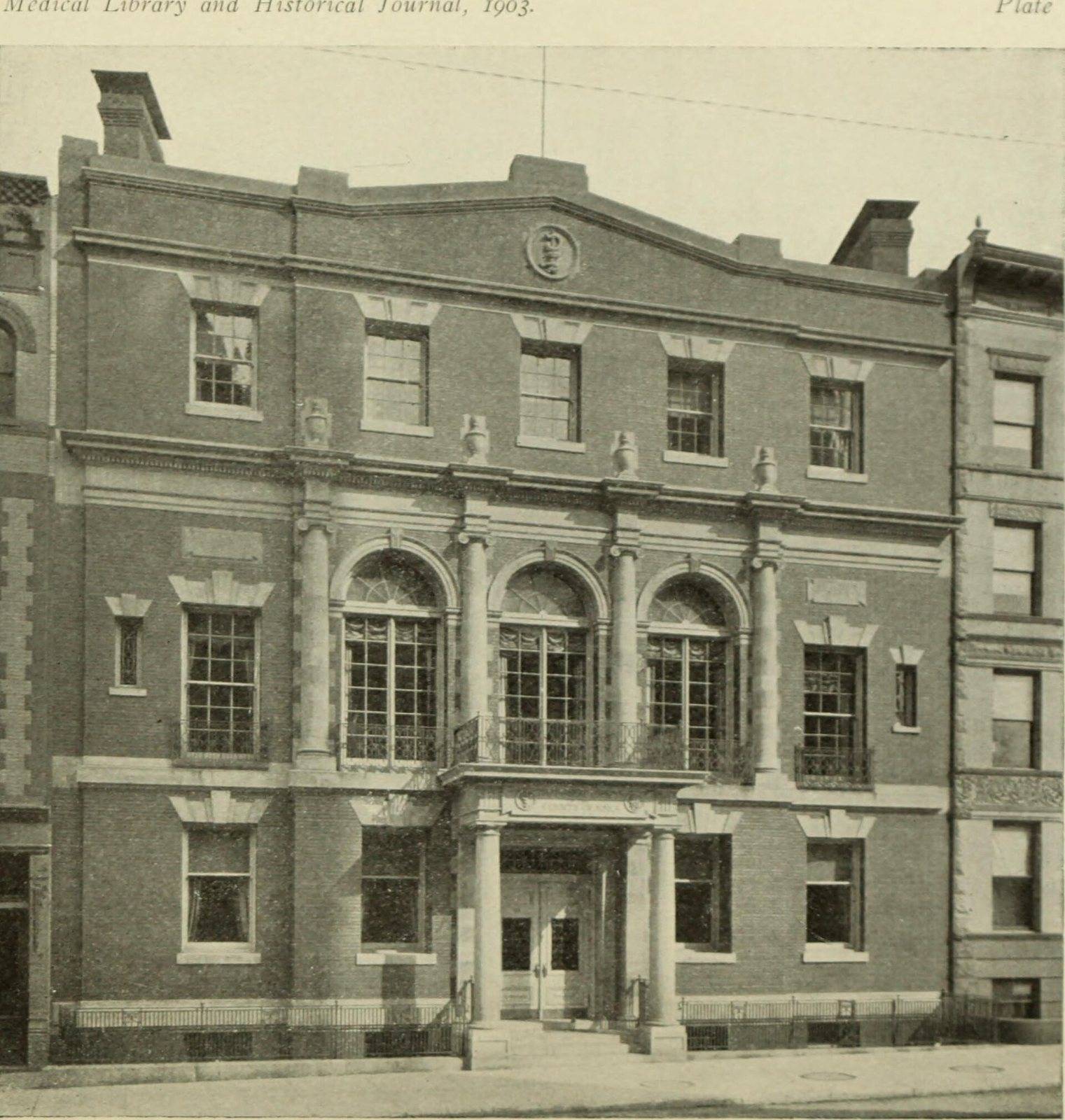
The Medical Humanities
Novels, paintings, plays and comics in the medical curriculum, and the case for keeping them there.


