Medicine Far From the Hospital
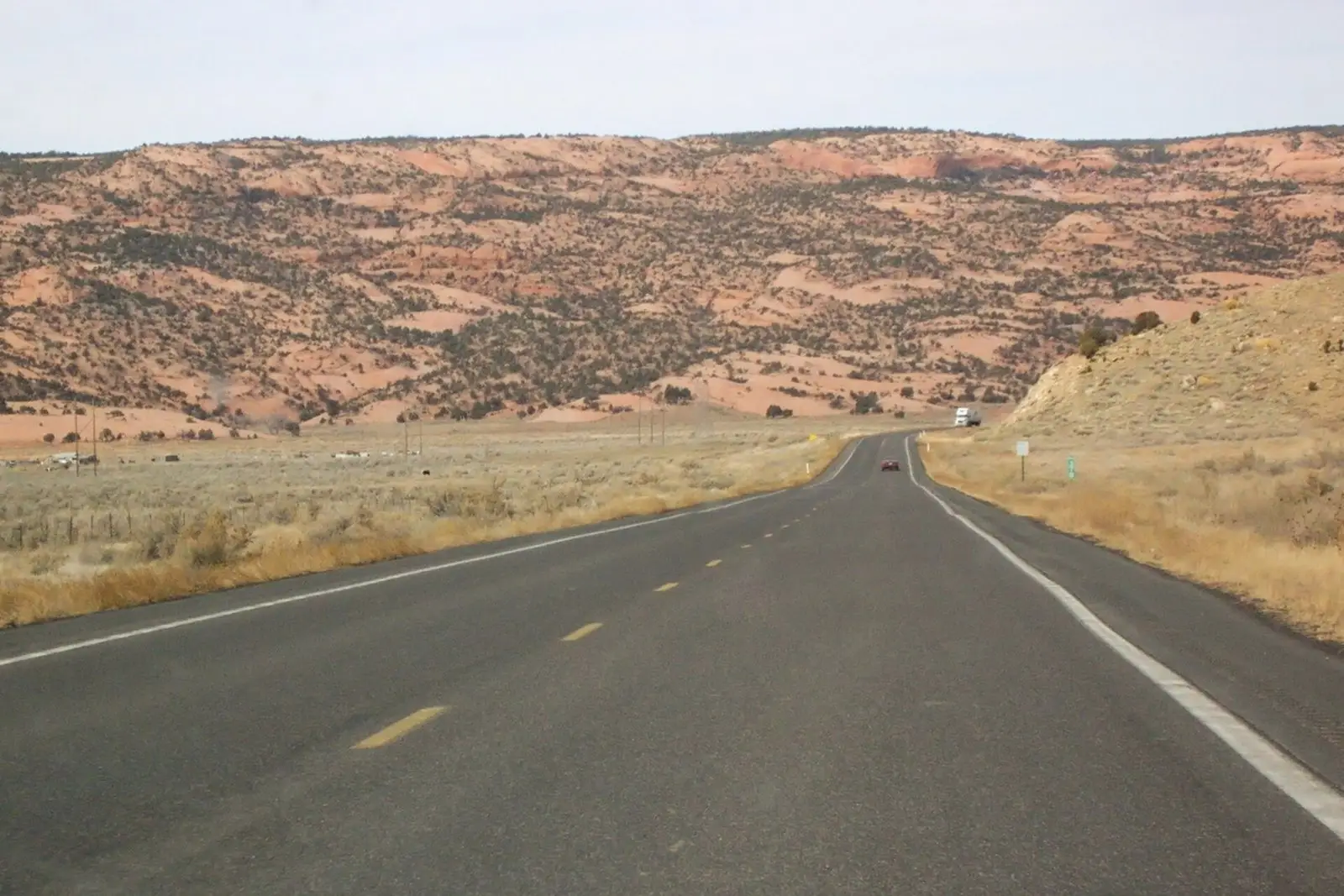
From August 2004 to May 2012, Anne Newland was a physician with the Indian Health Service at Kayenta Health Center on the Navajo Nation, giving outpatient and emergency care at a clinic about 70 miles away from any hospital. The entries gathered here explain how medicine is organized in places like that, where a referral can mean a long drive and a small staff handles nearly every kind of need.
Much of the story is about supply. In 2006, CBS News reported that the Association of American Medical Colleges planned to recommend a 30 percent increase in medical school capacity, while critics argued that the deeper problem was getting doctors to poor and rural areas at all. Nearly two decades later, CBS Minnesota reported that the president of the state medical association expected about 30 percent of the state's physicians to retire or change careers. The history behind those numbers runs through the rural doctor shortage and the American country doctor.
Geography shapes the rest. A 2023 Kaiser Health News report carried by CBS News found that 98 percent of residencies sit in urban areas, even though more than half of family physicians settle within 100 miles of where they trained. In Elko, Nevada, a city of about 20,000, the same report put the nearest city with more health care resources 230 miles away by car. Those miles explain why emergency care in remote places, primary care in small towns and distance and access to care each get their own entry.
Federal programs depend on where the boundary is drawn, which is the subject of what counts as rural. Telehealth, shared staffing and other answers to scarce clinicians appear in new models of rural care, and each entry on the site is listed on the Every entry page.
What this subject covers
7 entries, every one cited and illustrated.
The Rural Doctor Shortage
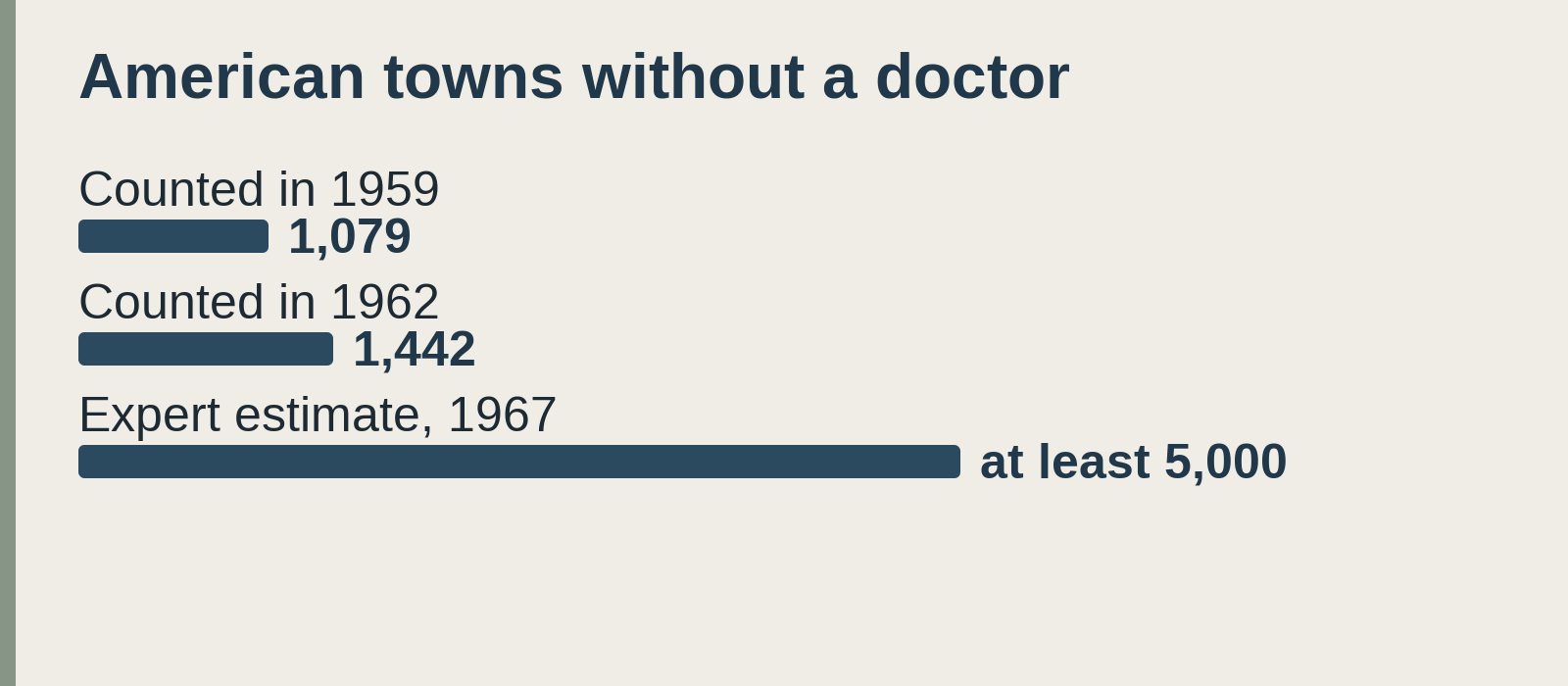
Seventy years of counting doctorless towns, and the reasons young physicians settle elsewhere.
The American Country Doctor
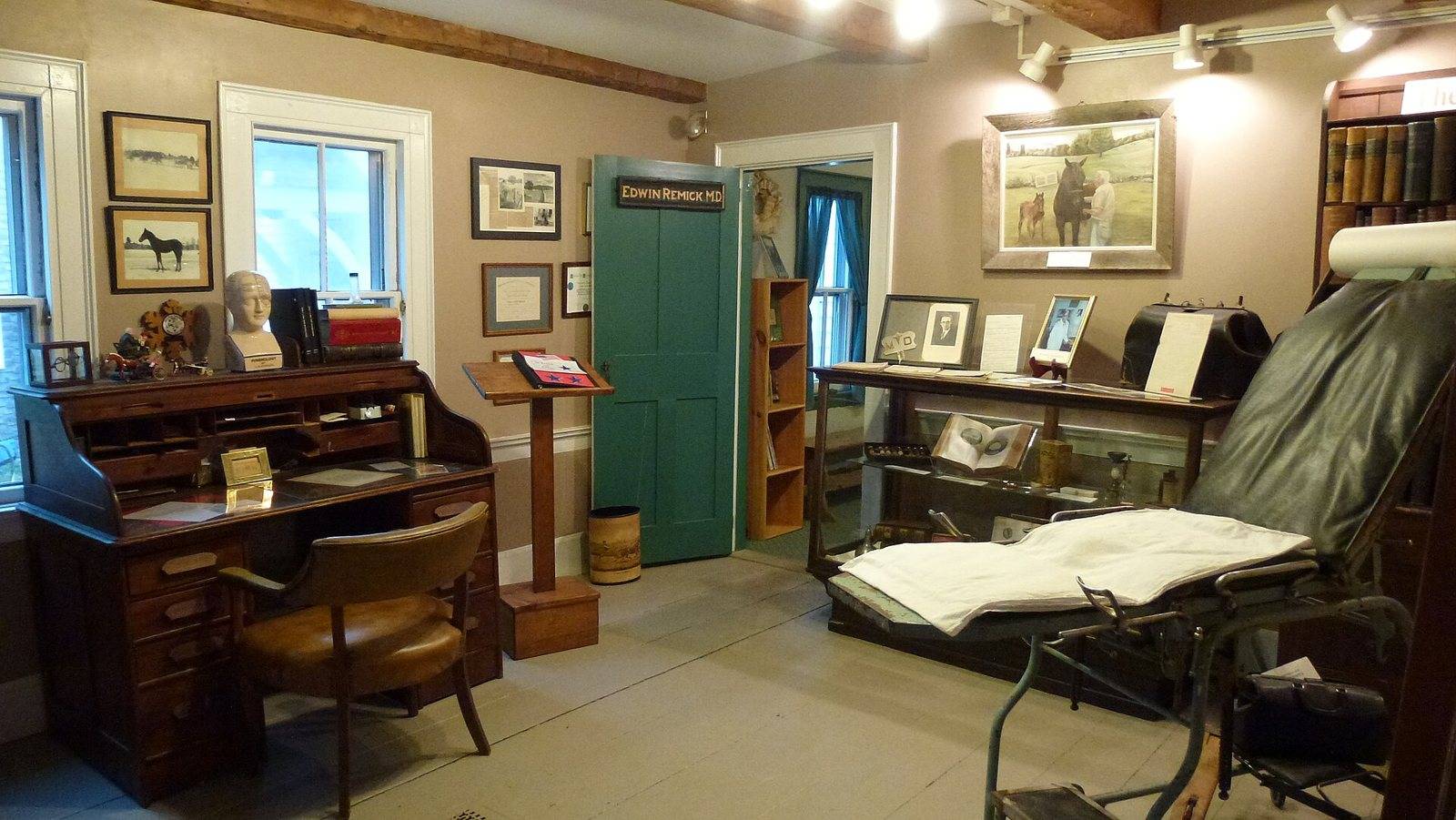
From buggy rounds to the board certified family physician, a century of the small town generalist.
Emergency Care in Remote Places
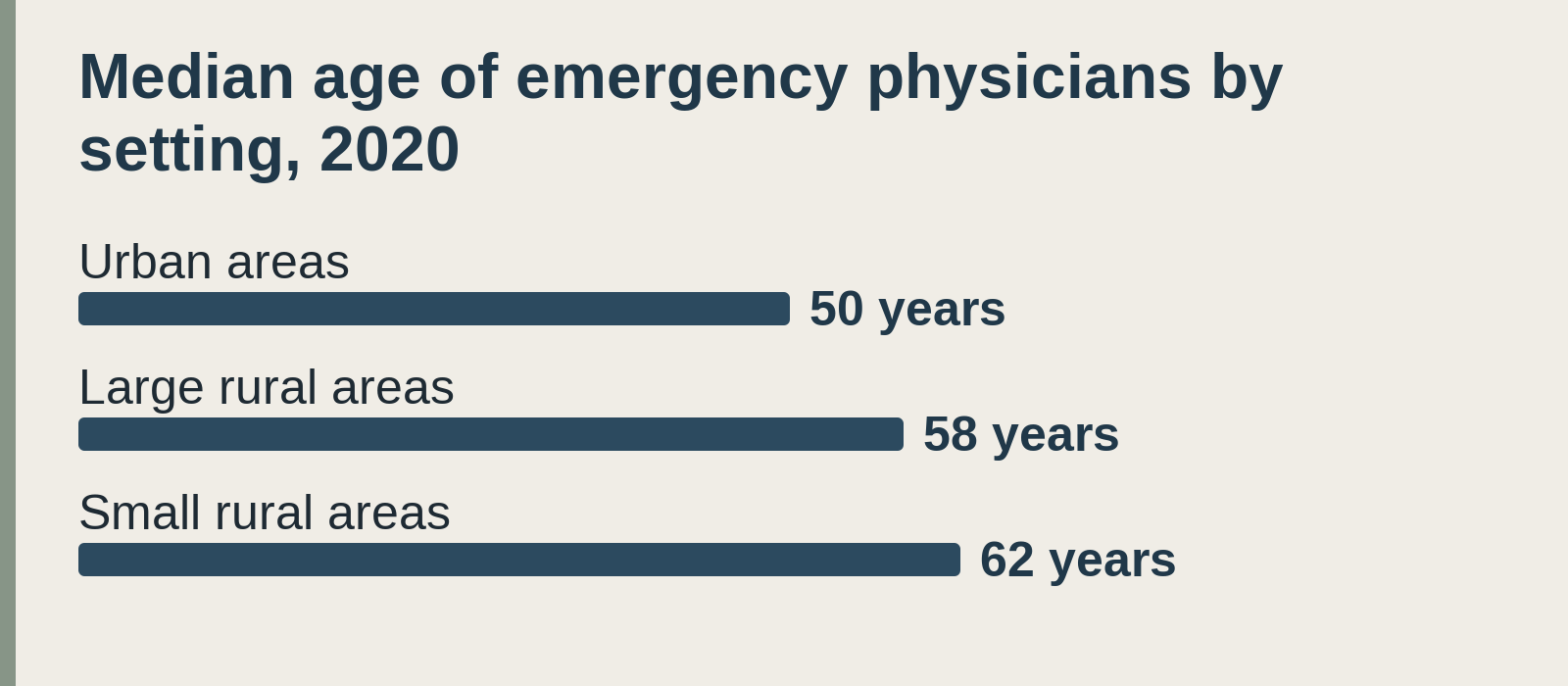
Volunteer ambulances, scarce emergency physicians and the debate over who should staff a small emergency room.
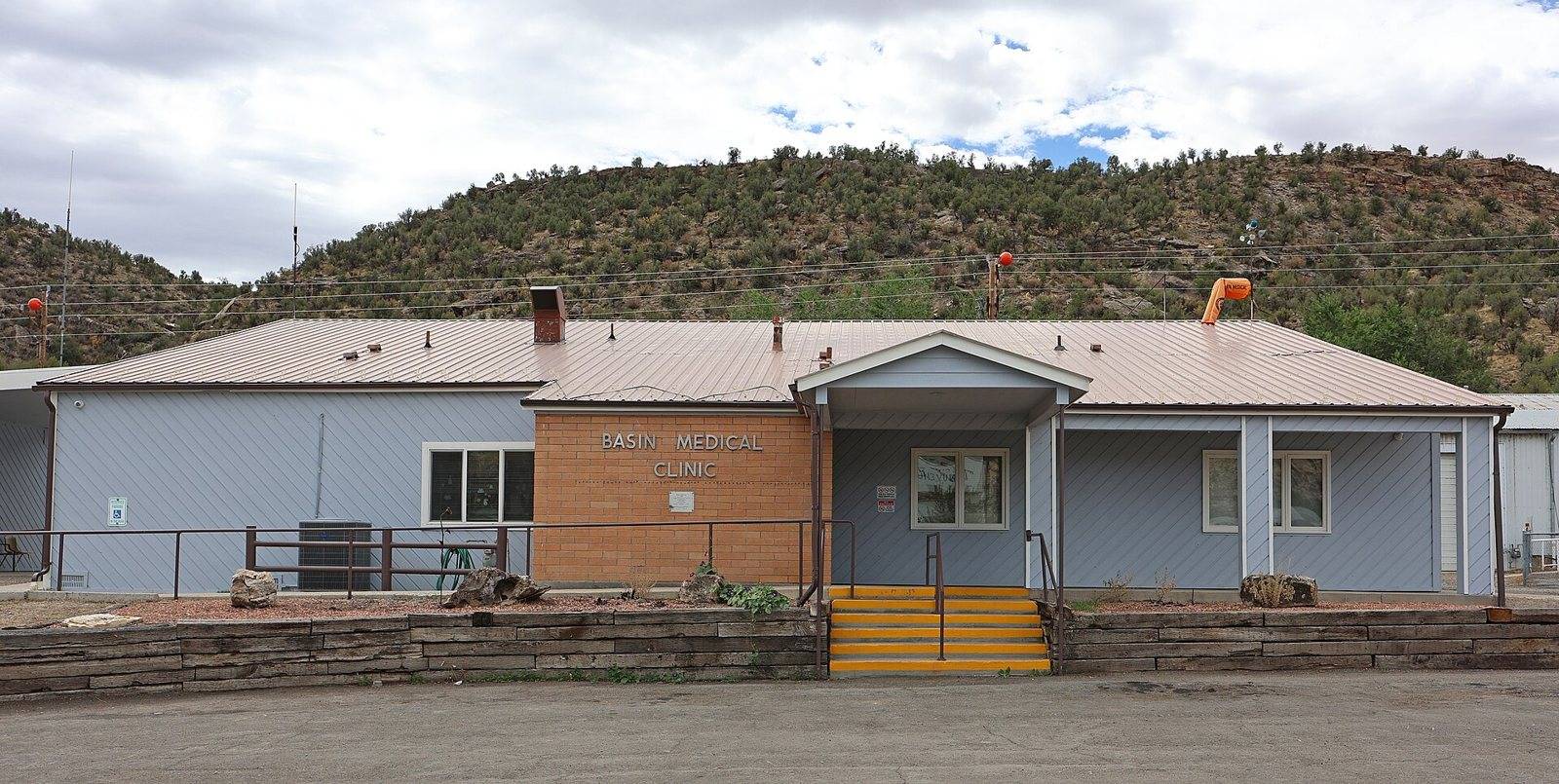
Primary Care in Small Towns
Deliveries, nursing homes, emergency shifts and clinic visits, often handled by the same small town doctor.
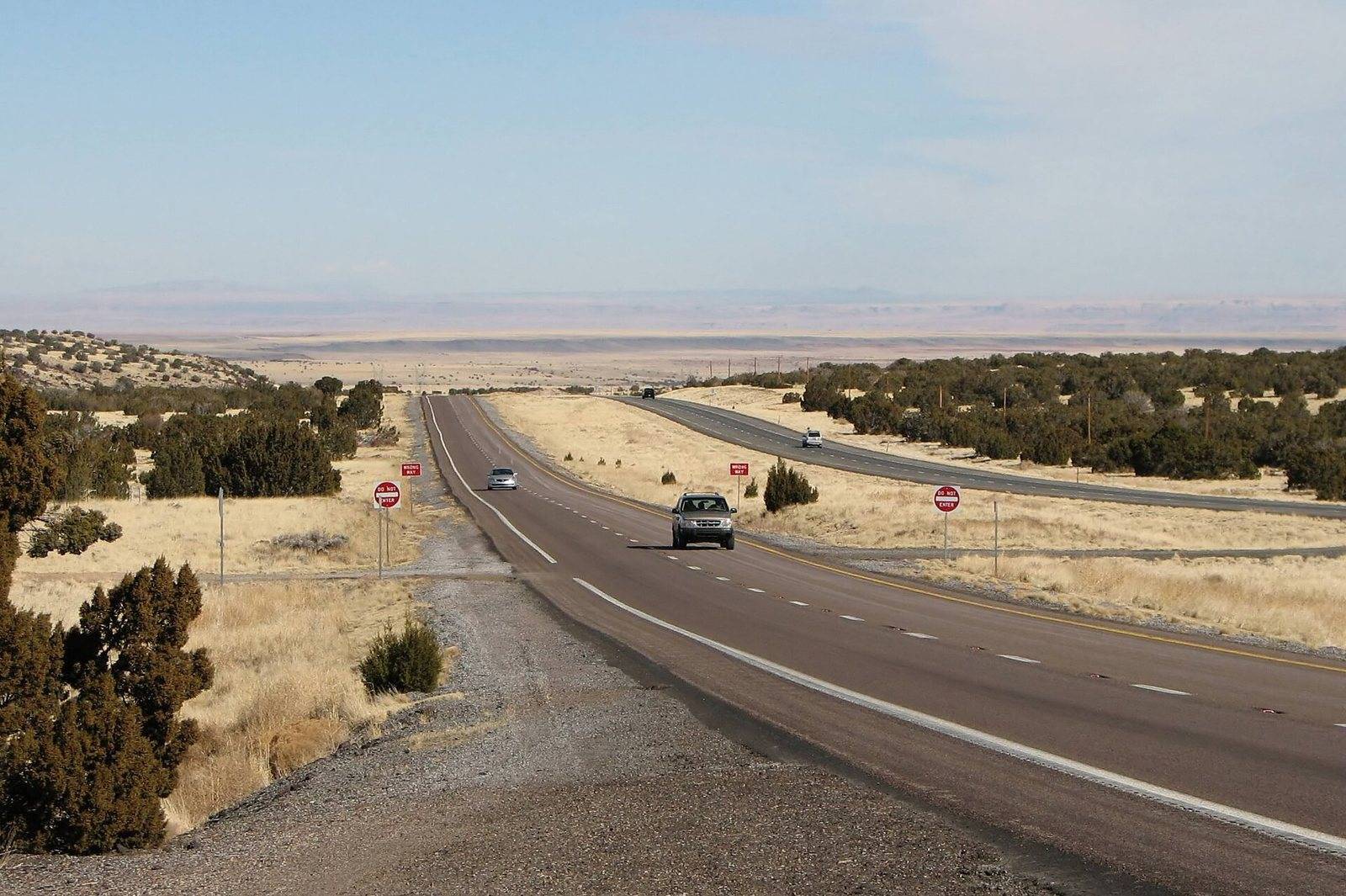
Distance and Access to Care
Miles, mountain roads and missing technicians: how distance changes what rural patients can get from medicine.
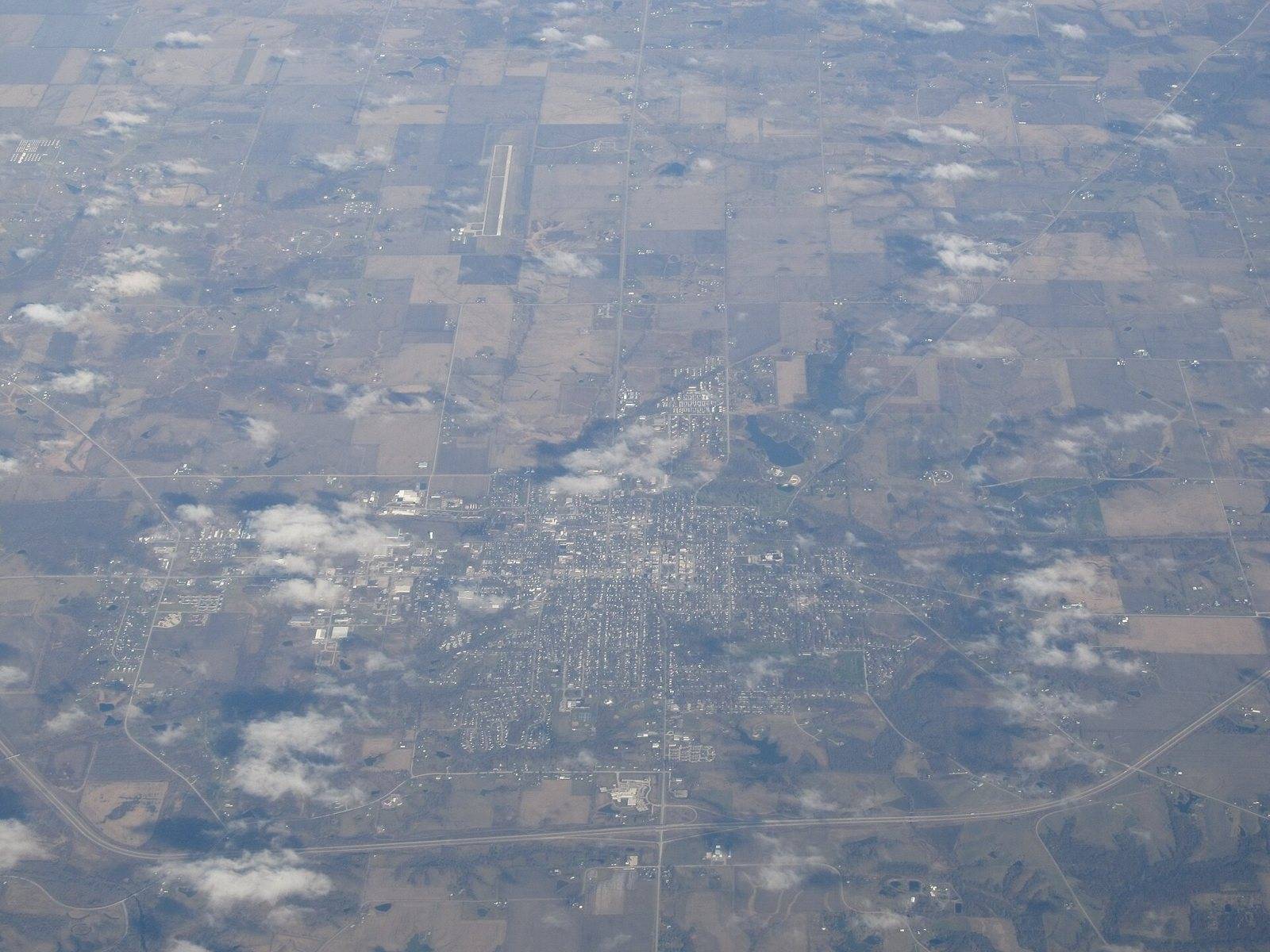
What Counts as Rural
Census tracts, metro counties and rugged roads: the federal rules that decide which places are rural.
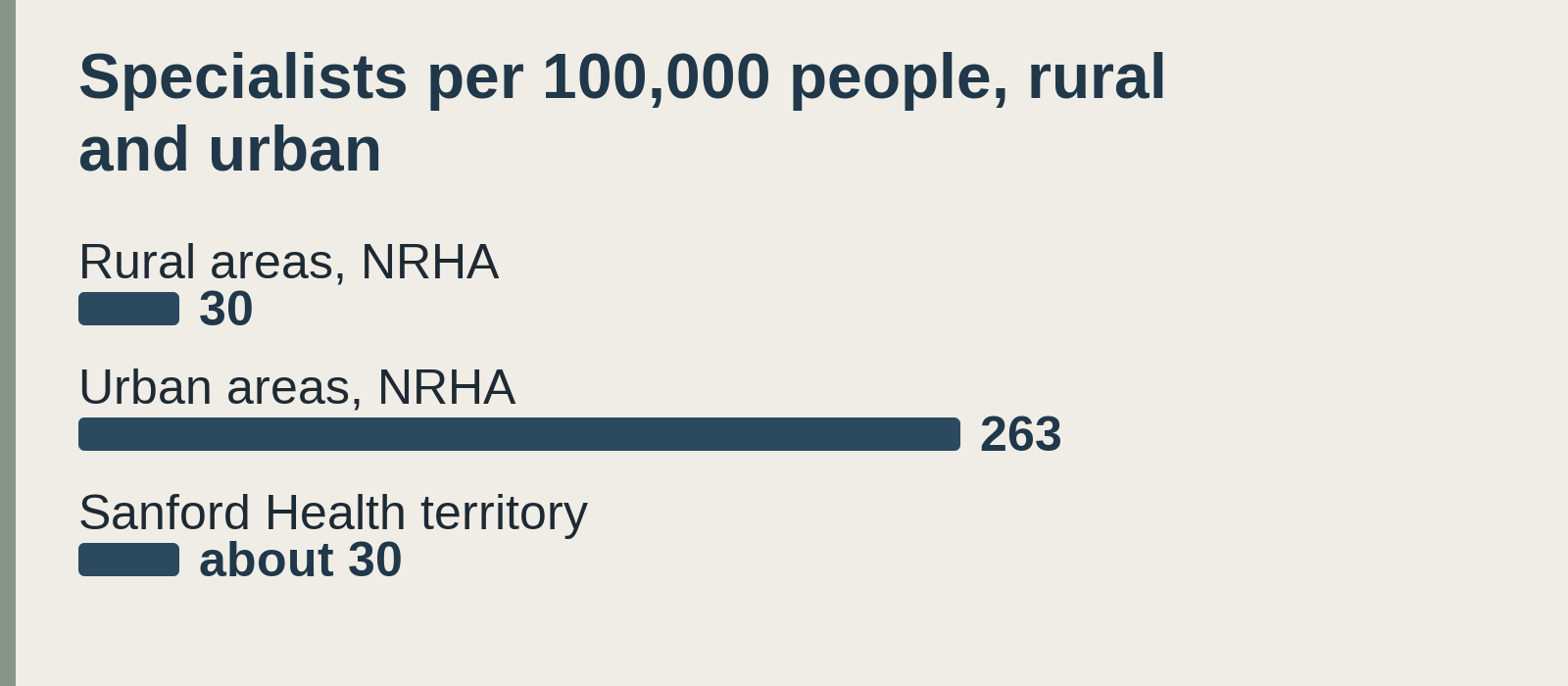
New Models of Rural Care
Video exams, hub hospitals, traveling specialists and returning retirees, and the limits of each.


