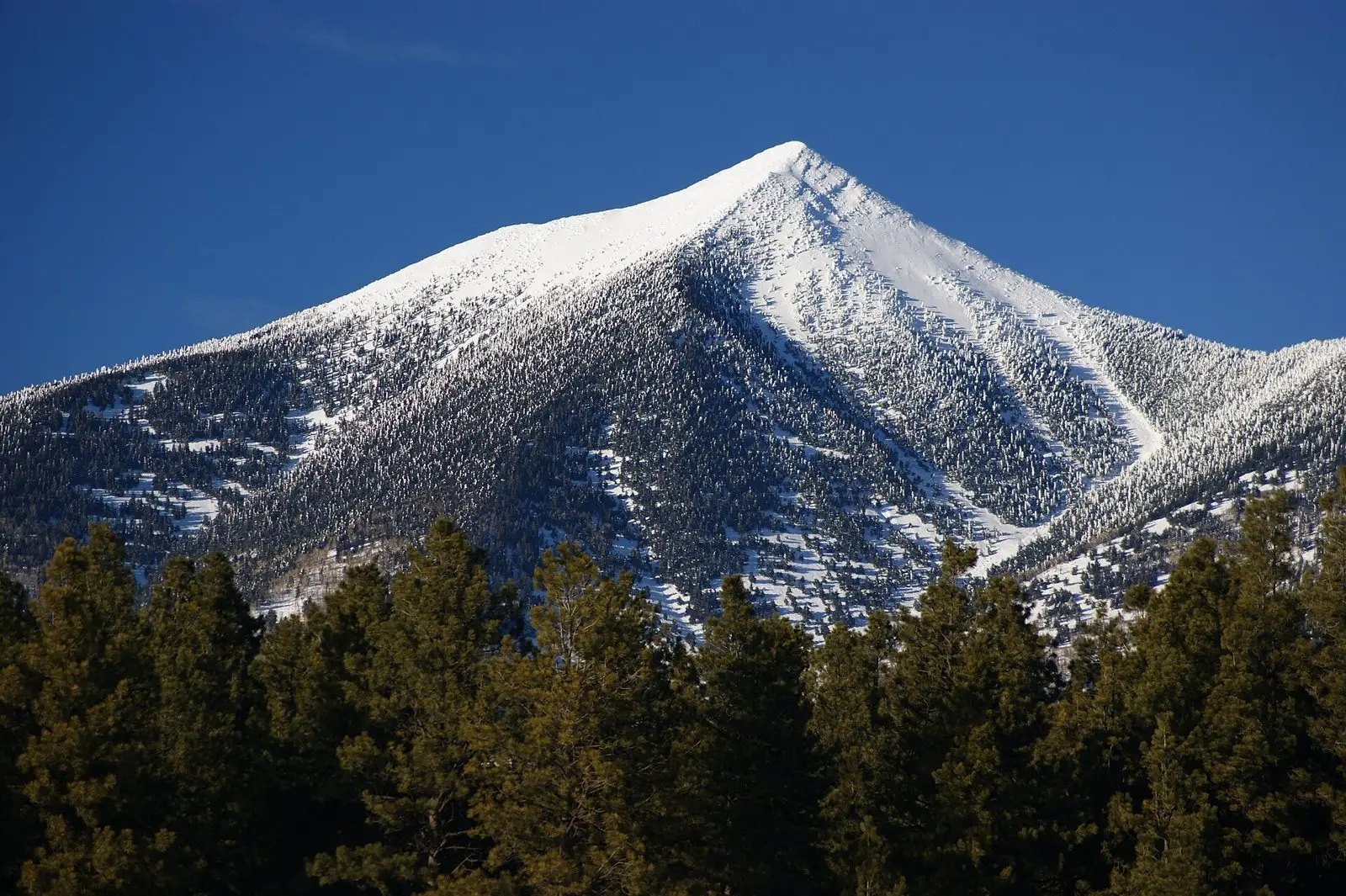
Flagstaff and the Colorado Plateau
Anne Newland lives in Flagstaff, Arizona, where she also works, and the entries in this section are about the town and the high country that surrounds it. The history of Flagstaff follows its growth from a railroad stop and lumber town, and Route 66 in Flagstaff picks up the highway years.
Science arrived early. Percival Lowell, set on finding life on Mars, picked the town in 1894 because he believed its altitude and thin air were ideal for watching the planet, according to a Space.com history of the observatory. His theory of Martian canals did not survive, as Smithsonian magazine recounts, but his hunt for a planet beyond Neptune outlived him. In 1930 Clyde Tombaugh, a young amateur from a Kansas farm who was hired after mailing in observations made with a homemade telescope, found Pluto there by blinking between two photographs of the same patch of sky, Space.com's profile of Tombaugh explains. The entry on Lowell Observatory tells that story, and the dark skies of Flagstaff explains how the city's lighting rules kept the stars visible.
Three entries cover the volcanic ground: the San Francisco volcanic field and its cinder cones, the San Francisco Peaks that fill the northern skyline, and the Flagstaff Area National Monuments just outside town. The Colorado Plateau describes the high tableland beneath all of it.
Weather and woods complete the picture. Winter in Flagstaff explains why a desert state's mountain town gets so much snow, the Coconino National Forest covers the ponderosa pine woods around it, and training at altitude looks at why athletes come to its thin air. Readers after one particular place or topic can scan the alphabetical list on the Every entry page.
What this subject covers
11 entries, every one cited and illustrated.
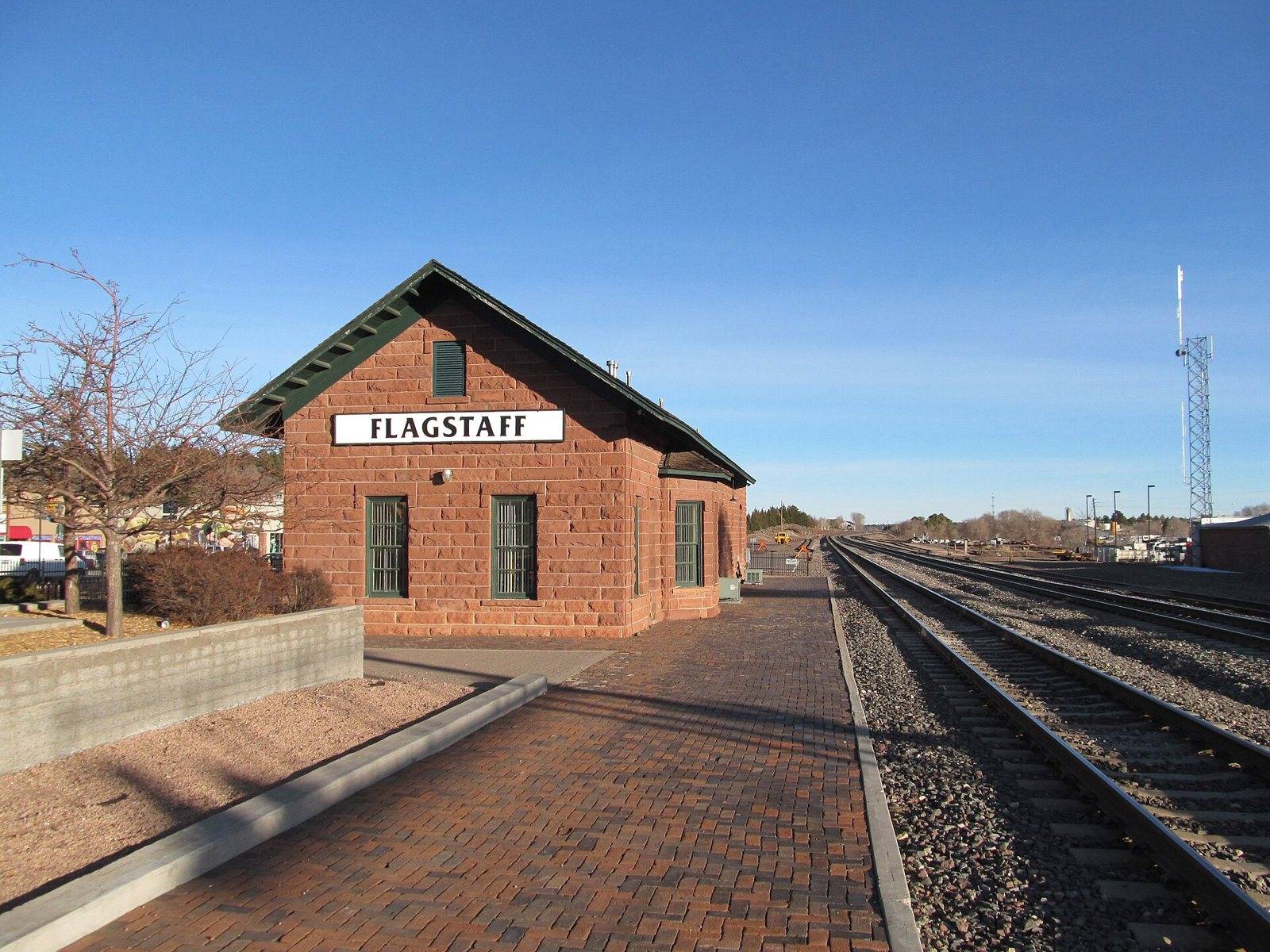
The History of Flagstaff
Tracks, sawmills, a hilltop telescope and a teachers college: the pieces that made a northern Arizona city.
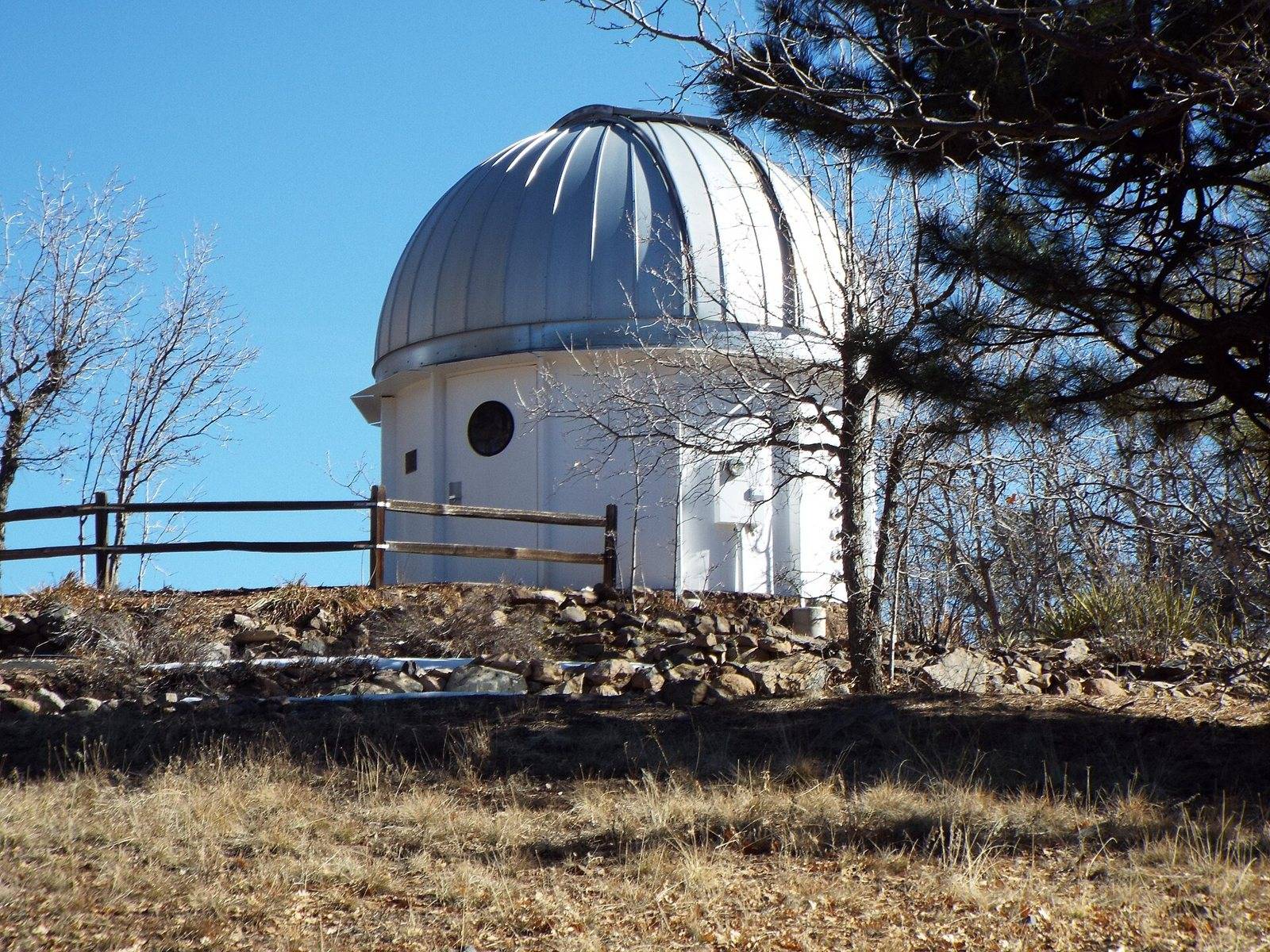
Lowell Observatory
Martian canals that were never there, a farm boy's telescope and a planet found by blinking two photographs.
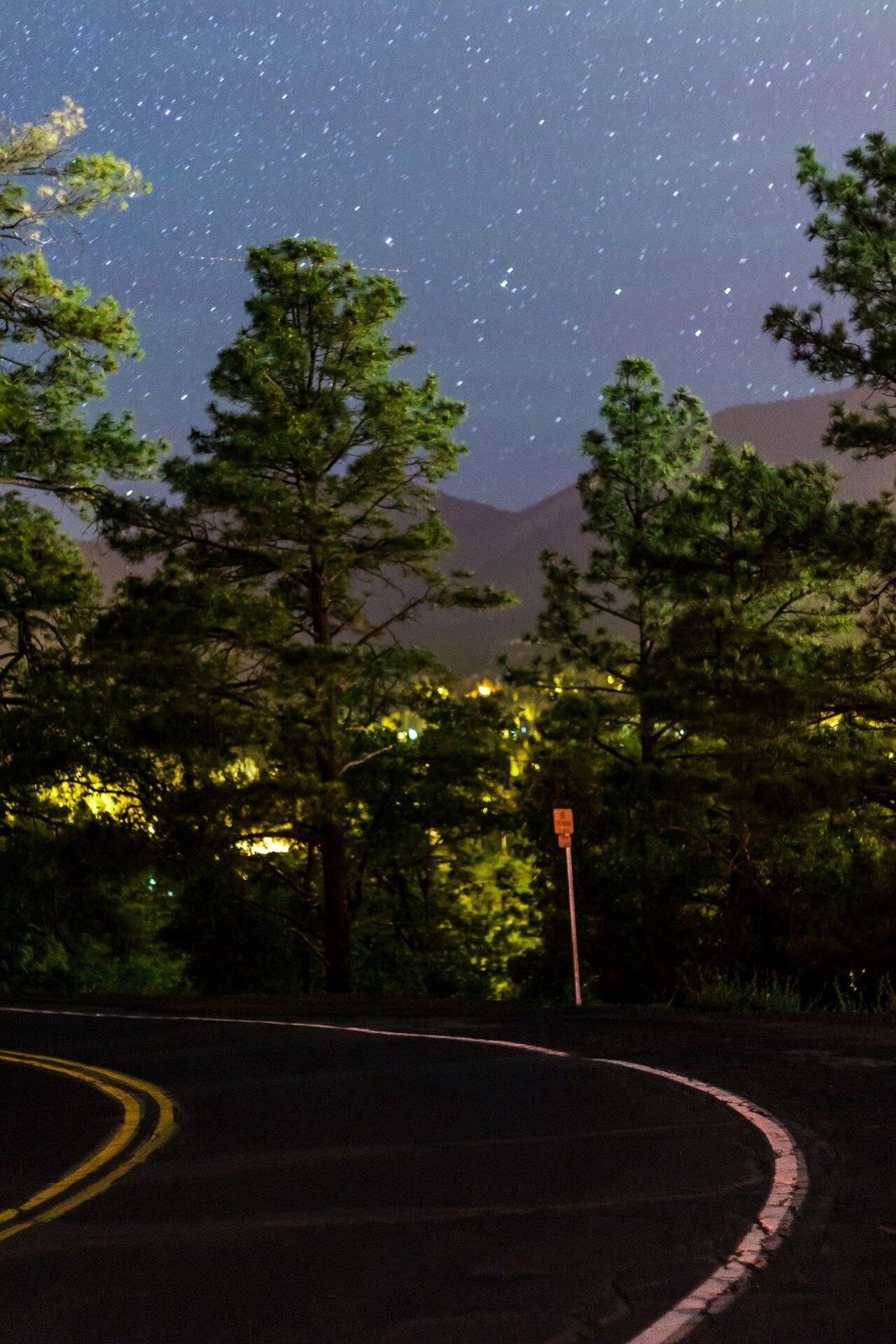
The Dark Skies of Flagstaff
Shielded fixtures, amber bulbs and a 1958 ordinance kept the Milky Way visible over a growing city.
The San Francisco Volcanic Field
Cinder cones built in months, a mountain that lost its core, and an eruption the Sinagua saw.
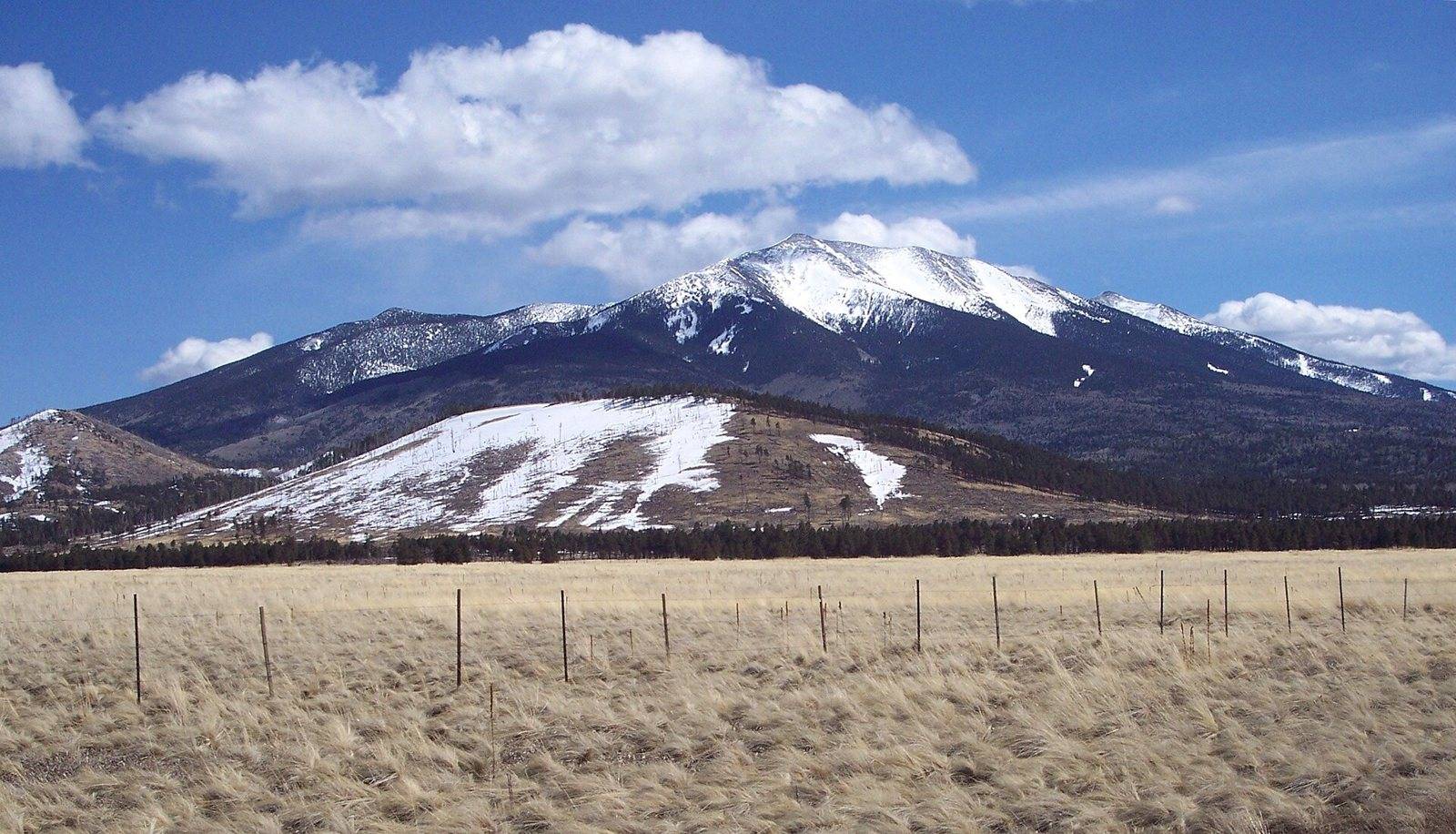
The San Francisco Peaks
A collapsed volcano, golden aspens in October and ski slopes that can take 31 inches in one storm.
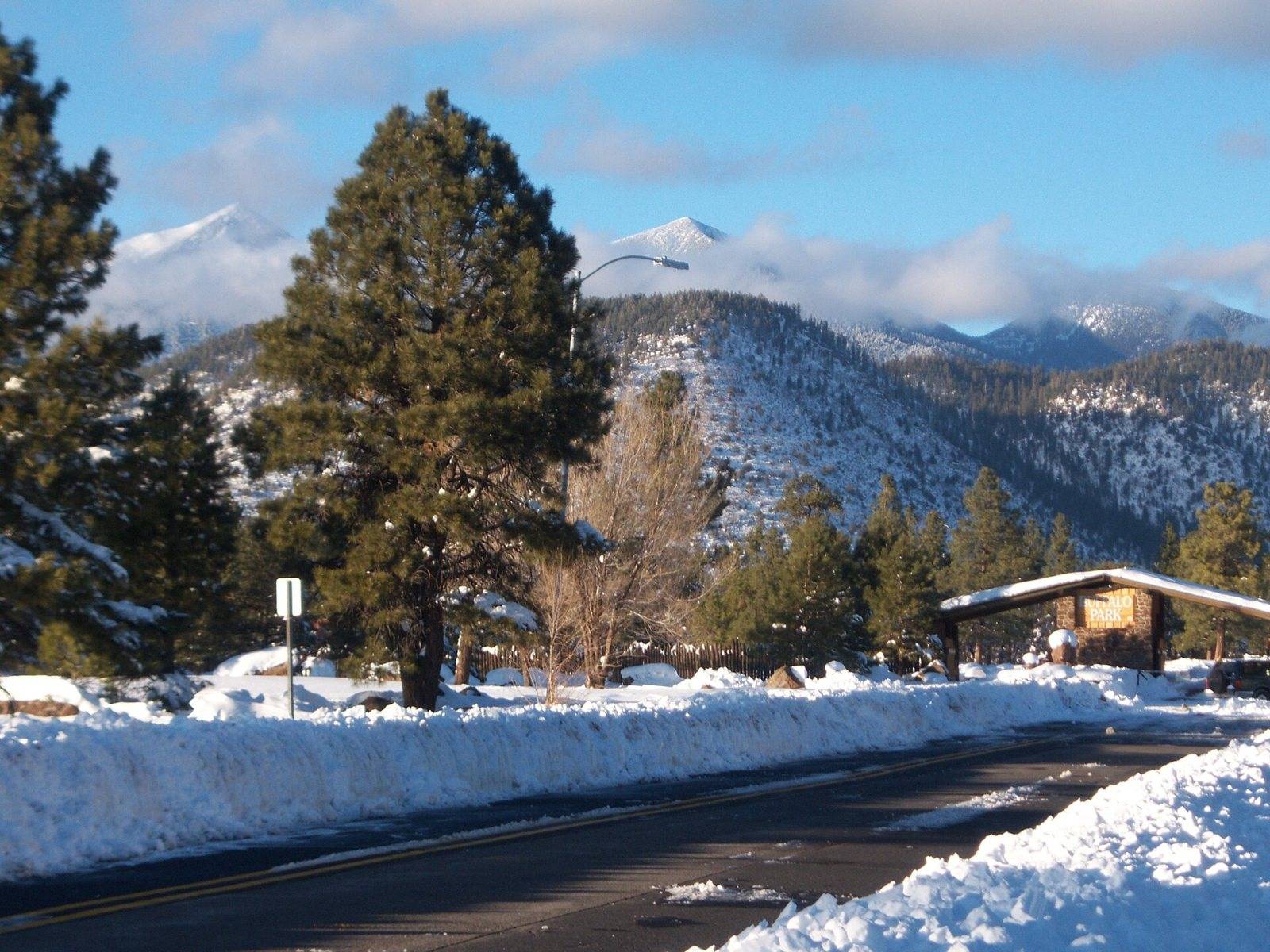
Winter in Flagstaff
Higher than Denver, fed by Pacific storms and the Mogollon Rim, and still learning to plow around bike lanes.
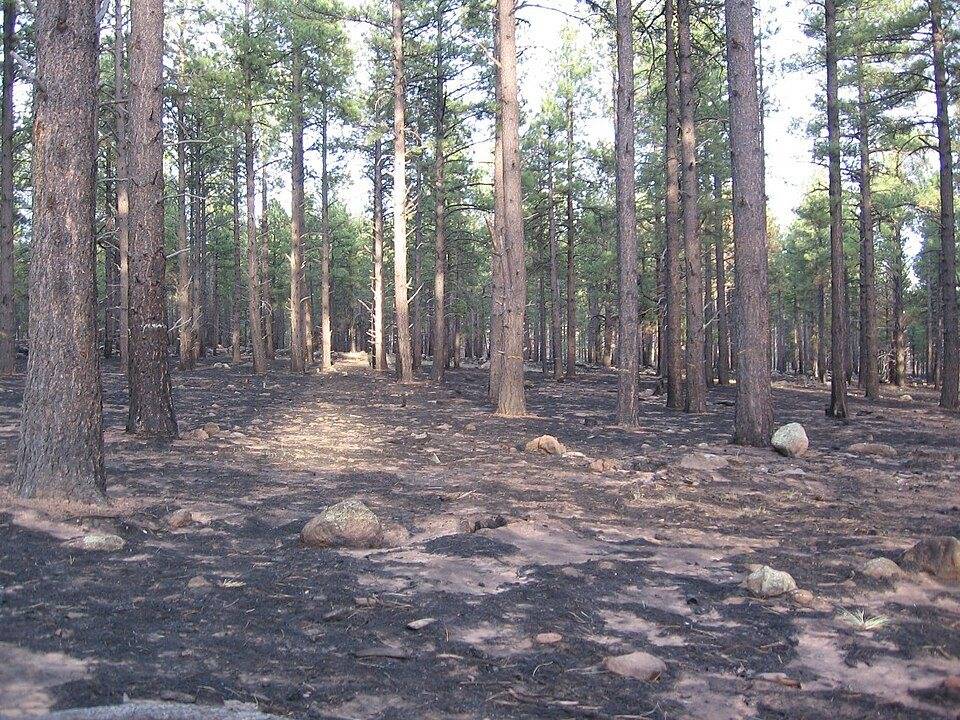
The Coconino National Forest
Ponderosa pine, Fort Valley's mule packed beginnings and why foresters now thin the trees they once planted.
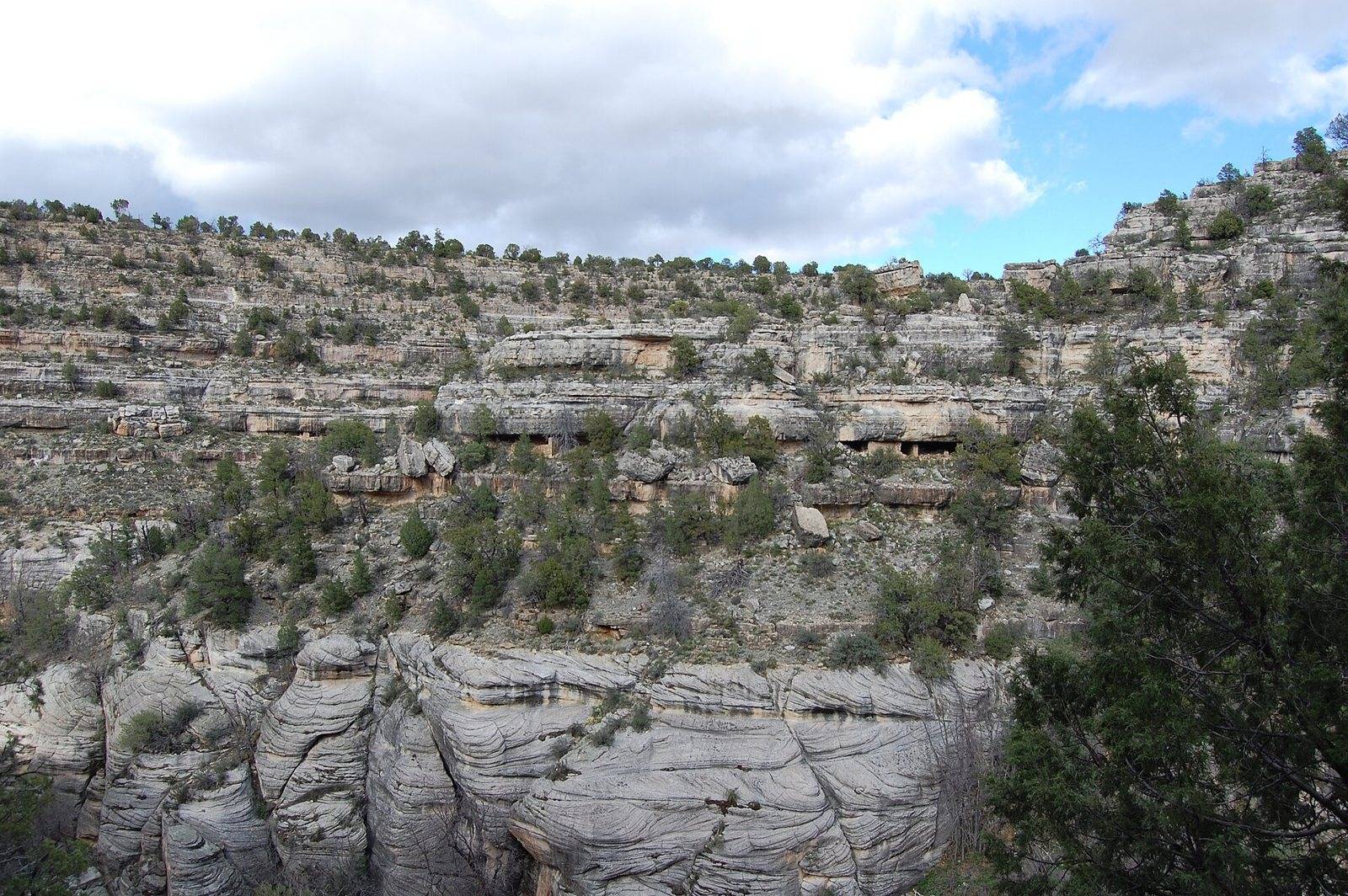
The Flagstaff Area National Monuments
Cliff rooms, a young volcano and desert pueblos, run together by the Park Service as one unit.
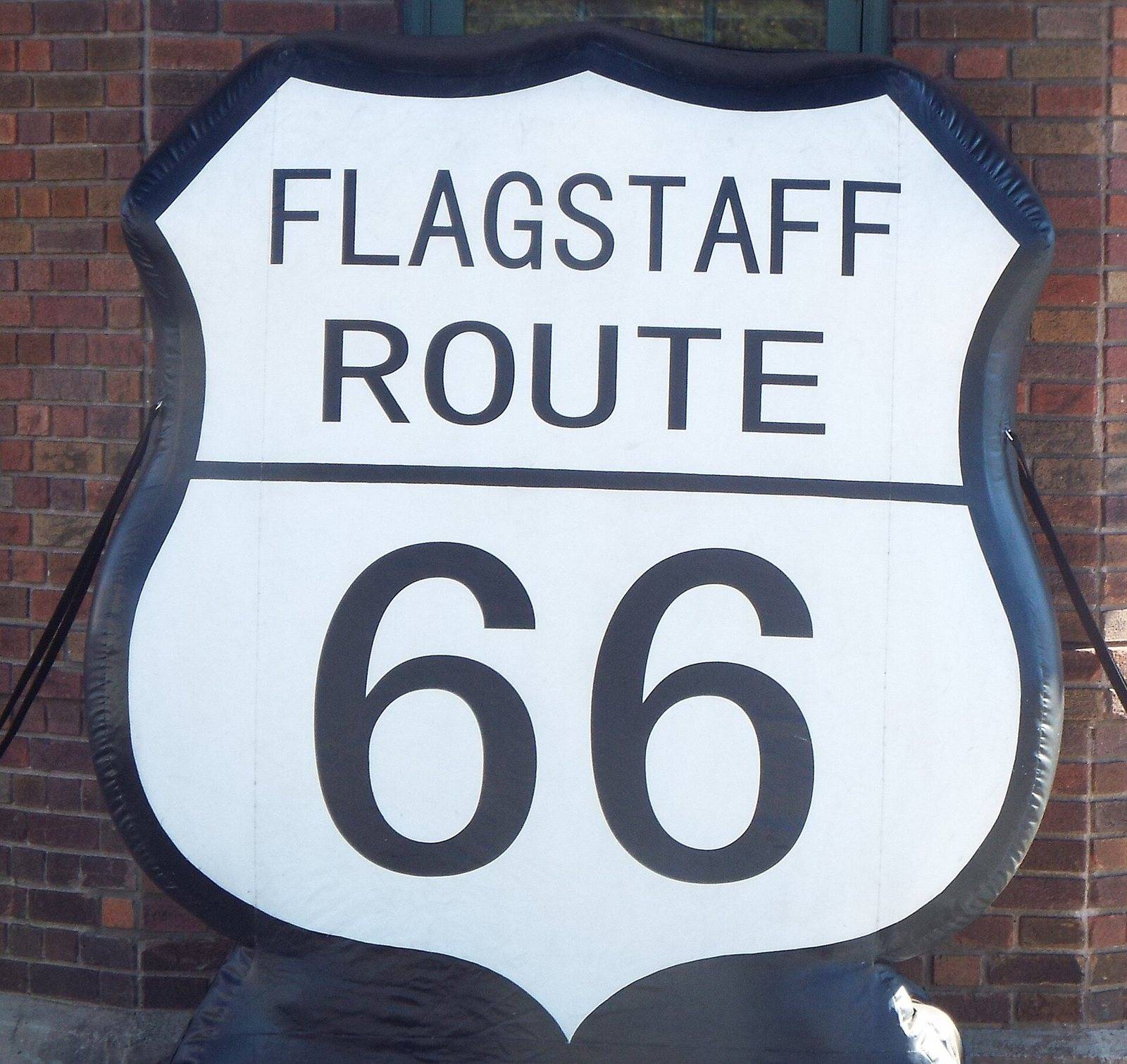
Route 66 in Flagstaff
A railroad town on the Mother Road, from the Weatherford Hotel to a fiberglass lumberjack.
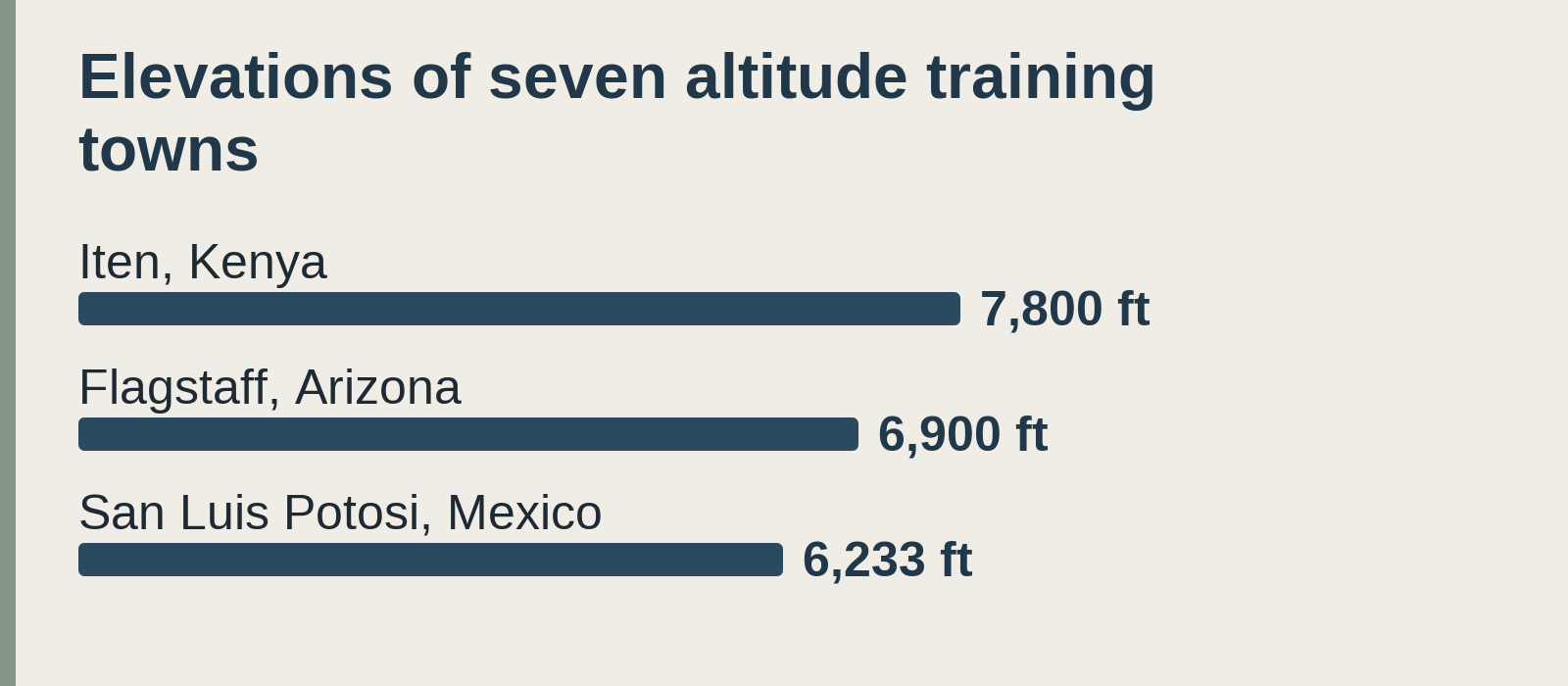
Training at Altitude in Flagstaff
Olympians, college teams and teenage cross country squads, all chasing red blood cells on Flagstaff's dirt roads.
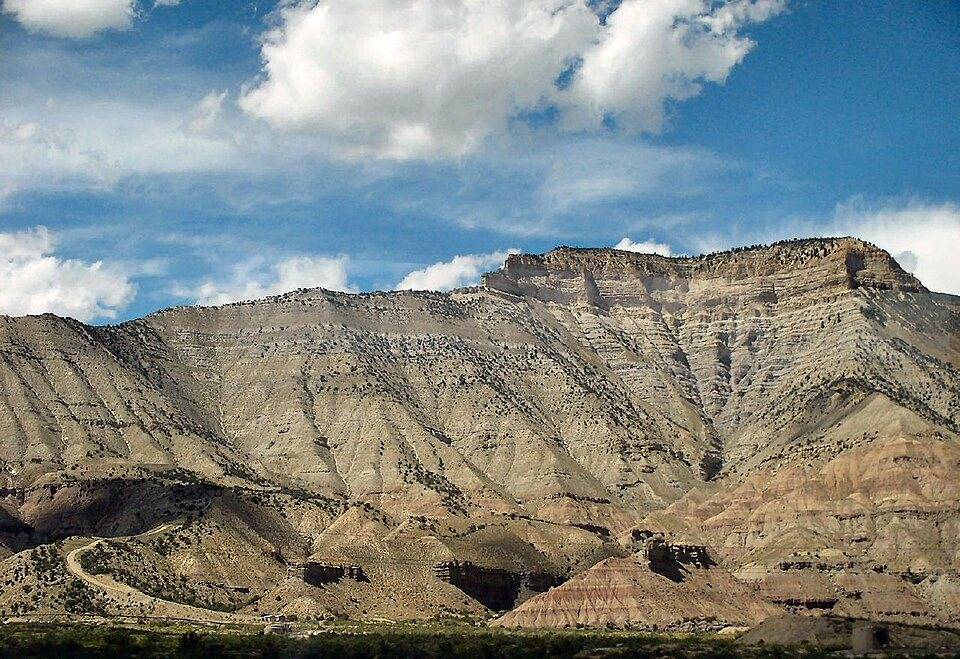
The Colorado Plateau
A layer cake of rock nearly two billion years deep, still rising, and still argued over by geologists.


