Anne Newland lives in Flagstaff, Arizona, and cycling is among the interests she names, though the athletes who have made the city famous for altitude training are mostly runners. On summer mornings, when the weather is at its best, groups of them move along the gravel of A1 Mountain Road, the shoulder of Lake Mary Road and the dirt paths of Buffalo Park and Fort Tuthill, as a 2025 Runner's World report on Flagstaff's summer crowds1 describes. Among them are Olympians, college teams and teenagers who have come from sea level for a few weeks of thinner air.
A town at seven thousand feet
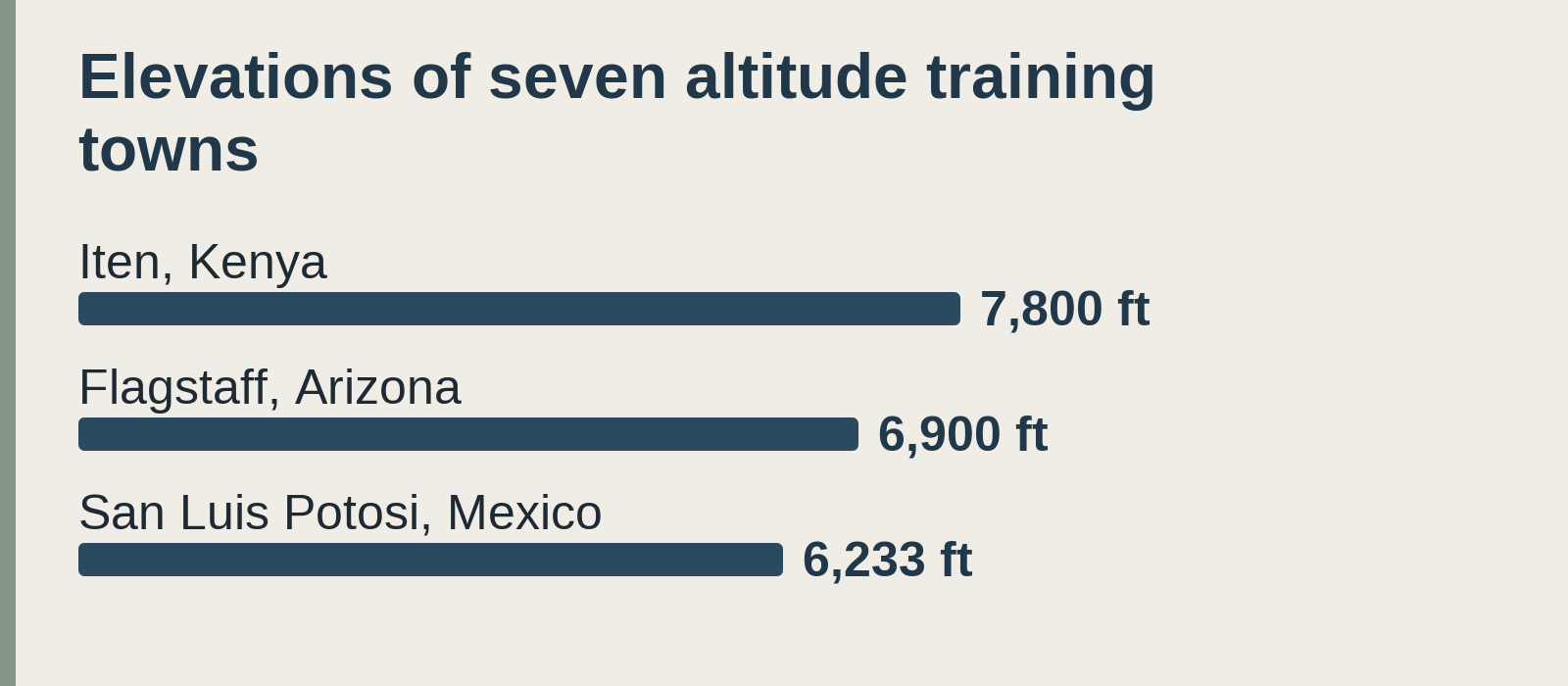
The draw starts with height. Runner's World put Flagstaff at about 7,000 feet in a 2014 survey of the country's new running meccas2, and an earlier guide in the same magazine listed 6,9003. Just as important, said Vince Sherry, a former professional who opened the Run Flagstaff store, good trail lies within about a mile of almost any home in town, with plenty of climbing for those who want it.
Lower ground is close as well. A drive to Sedona drops about 3,000 feet down a switchback road, and teams go there for their hardest track sessions and long runs, as a 2016 diary from Team New Balance Boston's Flagstaff camp4 explains. The elevation keeps summers from getting too hot, though winters can bring long cold spells3.
How Flagstaff became a training base
Flagstaff lacks the long running history of Eugene or Boulder, but it built one quickly. Northern Arizona University's Center for High Altitude Training opened in the late 1990s and drew foreign cyclists, swimmers and triathletes; the coach Jack Daniels came to lead it in 2005, and it closed in 20092. The flow of American runners kept growing anyway.
Greg McMillan based his McMillan Elite team in the city from 20073. By 2014 Team Run Flagstaff, a club of about 300 mostly recreational runners, had a professional arm, and Northern Arizona Elite was home to several marathoners. Janet Bawcom, who finished twelfth in the 10,000 meters at the 2012 Olympics, began training there in 2011 and praised how many ordinary local runners understood the sport2.
Olympians and visiting teams
The pattern continues. Rachel Schneider moved to Flagstaff full time after first coming to train there, and in 2021 she qualified for the Tokyo Olympics in the 5,000 meters, coached by Mike Smith, according to a 2021 Cronkite News profile5. Emily Sisson, who qualified in the 10,000 meters, spent long stretches of each year in the city for the same reason. In the summer of 2025, Runner's World counted Nikki Hiltz, Hobbs Kessler, Donavan Brazier and other professionals among those training in town before the national championships1.
Whole teams arrive for camps. The New Balance Boston group spent several weeks there in early 2016, cooking together, using the NAU indoor track and pool, and crossing paths with the NorCal Distance Project and Oregon Track Club Elite4.
“this is where you come to get good”Vince Sherry, owner of Run Flagstaff, in Runner's World, Runner's World
Tracks, trails and city parks
Facilities fill out the picture. A 2016 Runner's World list of small running hotbeds6 credited Flagstaff with four outdoor tracks, a 300 meter indoor track, nearly 700 acres of city parks and more than 50 miles of the Flagstaff Urban Trail System, with more planned. Coaches use Lake Mary Road, a rolling route southwest of town, for tempo runs of up to 15 miles, and a stretch of the 800 mile Arizona Trail offers technical mountain running nearby3.
High school runners and summer camps
In the summer of 2025 Flagstaff became a kind of camp town for high school cross country runners1. Frankie Ruiz, coach at Belen Jesuit in Miami, brought 21 runners for 25 days, keeping the first week slow at 7 to 10 seconds per mile behind their Florida pace before building to 60 to 70 miles a week. A group of seniors from McCallie School in Chattanooga came for a week and found even stairs left them short of breath. Ruiz has seen the miles carry through a season, while admitting that the science says the benefit fades.
Living high and training low
The approach most teams follow is to live high and train low. Sleeping and doing most running at altitude builds red blood cells, while the hardest sessions at lower elevation let athletes hit something closer to sea level times4. The reason is that thin air makes fast running harder. Runner's World noted in 2019 that no one had broken four minutes for the mile in Colorado, and quoted Jack Daniels's argument that the small gain from moving through less dense air does not make up for the oxygen lost7. Sprinters gain slightly at altitude, the marathon champion Mark Plaatjes said, but any race longer than two minutes suffers.
- 1First two days Levels of EPO, the hormone that drives red cell production, reach their peak
- 2First three weeks The red blood cell count climbs as EPO stays raised
- 3Each week Hemoglobin can rise by about one percent in elite athletes
- 4Four to six weeks Clear gains in race performance may finally appear
- 5Back at sea level Runners new to it are advised to return two to three weeks before a race
What thin air does for the body
The mechanism is in the blood. Within 24 to 48 hours at altitude, levels of EPO peak, and studies of elite athletes show hemoglobin, the oxygen carrying protein in red cells, rising by about one percent a week, which may mean a race improvement of one to three percent, according to a 2014 Runner's World guide for amateur runners8. Runners who start with lower hemoglobin may gain more, and faster. Even a short stay helps, said Mike Smith, who directed one week altitude camps in Flagstaff for the Run SMART Project, because hard effort in thin air builds tolerance without the pounding of faster running.
The costs are real. Dry mountain air drains fluid through the lungs and skin without strong thirst, iron stores must be high enough to make new hemoglobin, and workouts typically run 3 to 15 percent slower8. The sources even disagree on the best height: the 2014 guide defines altitude training as 6,000 to 10,000 feet, while the 2011 guide recommends 5,000 to 7,500 and cautions that the precise effects have not been scientifically proven, even though nearly all top runners use it3. Responses vary from one athlete to the next, and that guide's advice is simply to try it and see whether it suits you.
References
- ‘Where You Come to Get Good:’ Why High School Runners Flocked to Flagstaff Over the Summer. Runner's World, 2025.
- The New Running Meccas. Runner's World, 2014.
- Training at Altitude. Runner's World, 2011.
- For the Pros, Training, Bonding, and Sightseeing at High Altitude Camp. Runner's World, 2016.
- Arizona distance runners represent U.S. in the Olympics. Cronkite News, 2021.
- Five Running Meccas. Runner's World, 2016.
- Why It’s So Hard to Run a Sub 4 Mile at Altitude. Runner's World, 2019.
- The Benefits of Altitude Training for Non Pro Runners. Runner's World, 2014.
Related entries
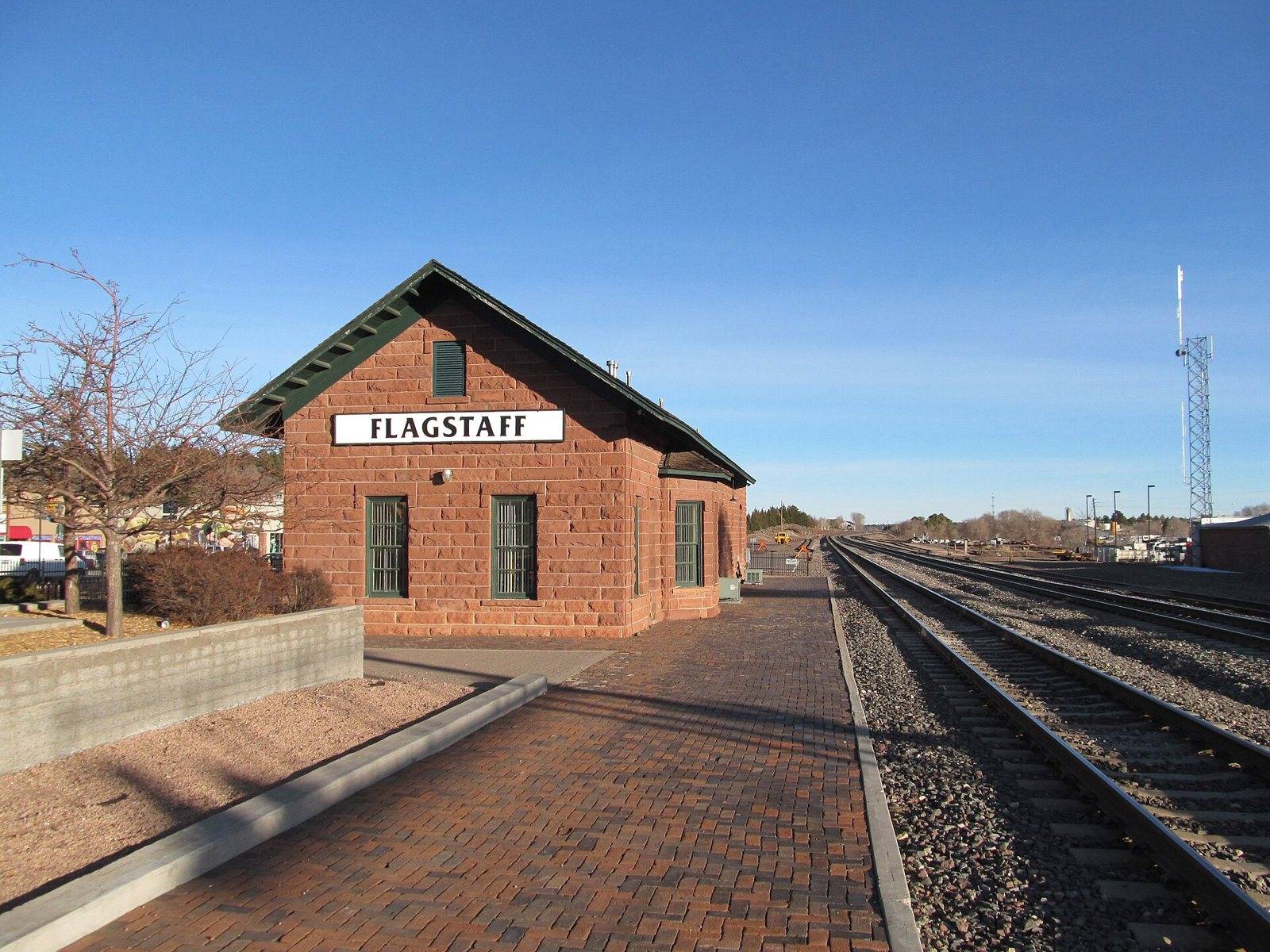
The History of Flagstaff
Tracks, sawmills, a hilltop telescope and a teachers college: the pieces that made a northern Arizona city.
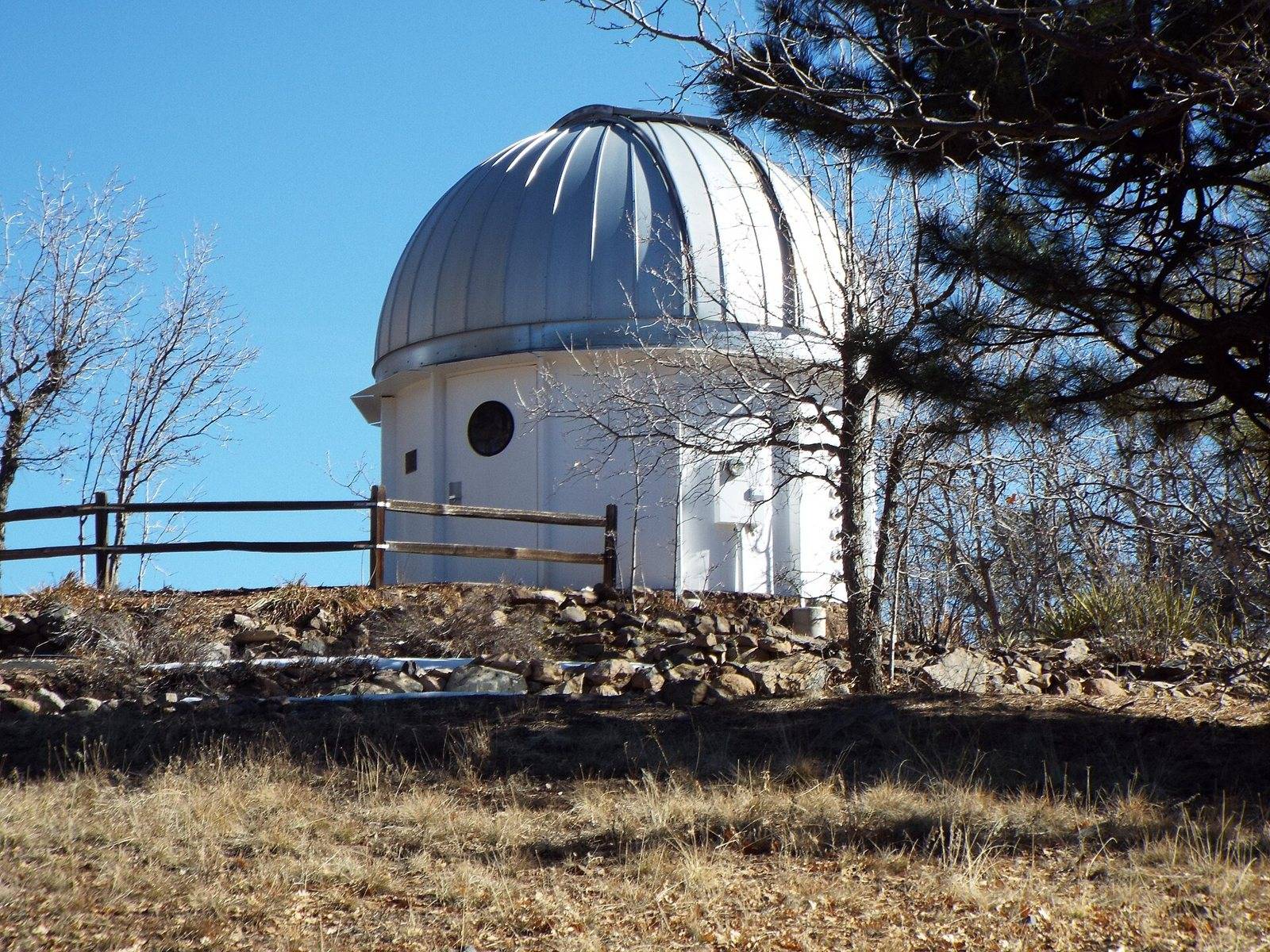
Lowell Observatory
Martian canals that were never there, a farm boy's telescope and a planet found by blinking two photographs.
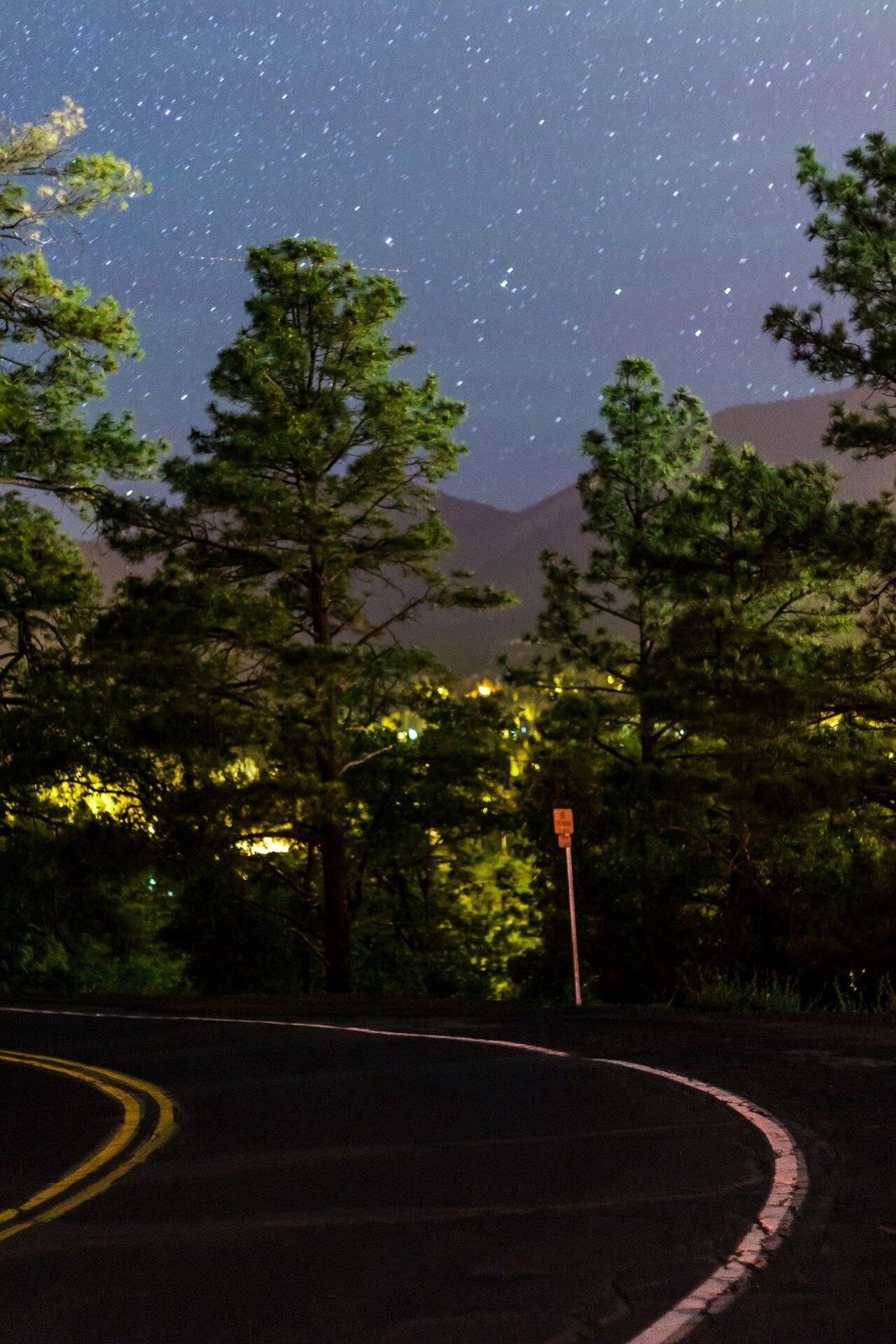
The Dark Skies of Flagstaff
Shielded fixtures, amber bulbs and a 1958 ordinance kept the Milky Way visible over a growing city.


