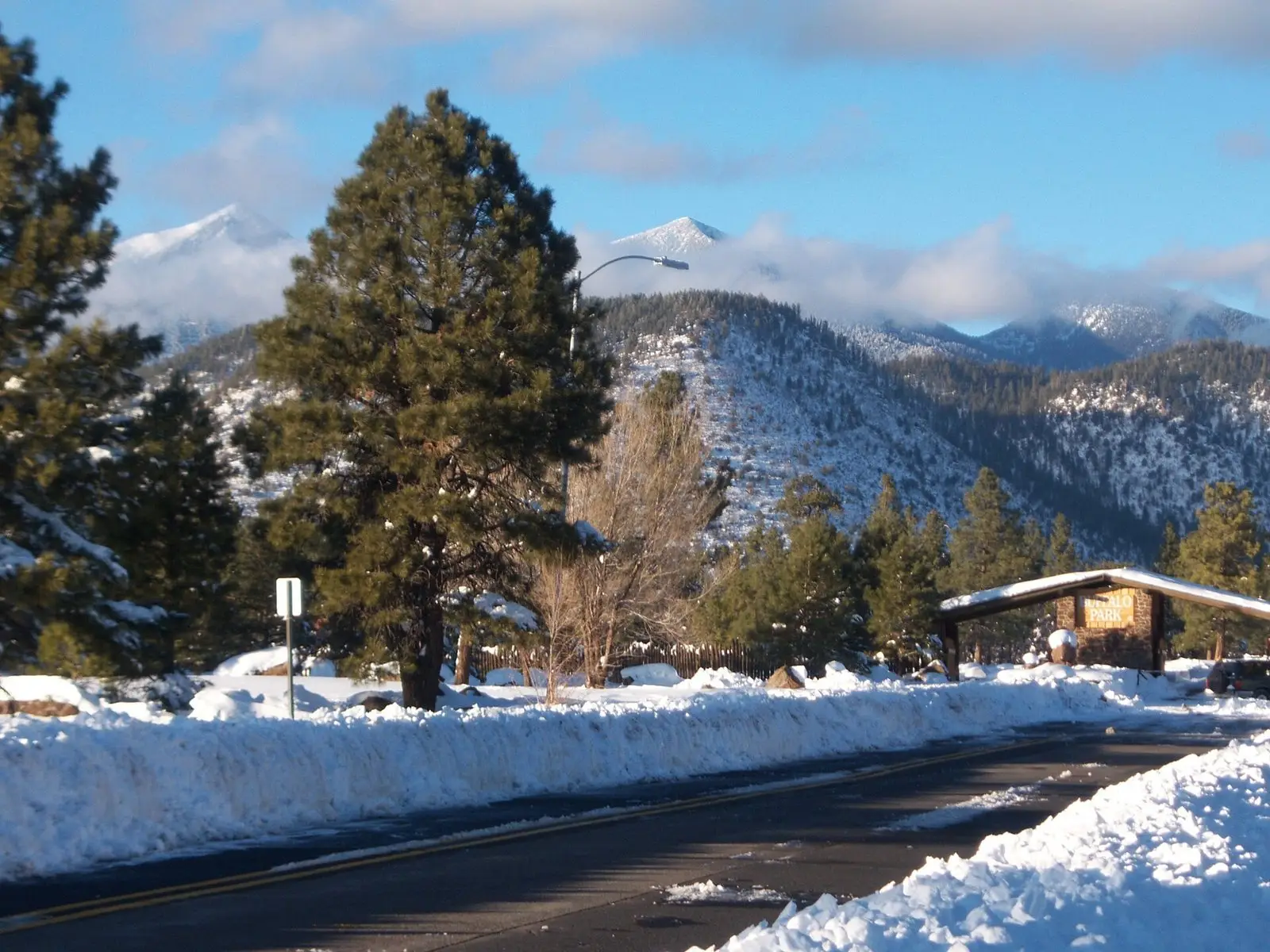
Anne Newland lives and does her work in Flagstaff, Arizona. The city is a desert state's snowiest, and The Arizona Republic's explainer on Flagstaff snow1 ranks it among the snowiest cities in the country, the snow capital of a state better known for scorching summers and long droughts.
Snow there shapes far more than ski days. It decides how people travel, when schools open and how early the next fire season starts, and the amount varies wildly from one winter to the next1.
Why so much snow falls here
Elevation is the main reason. Flagstaff sits at about 7,000 feet, which Megan Taylor of the National Weather Service in Flagstaff points out is 2,000 feet higher than Denver1. Most winter storms make snow at about 6,000 to 7,000 feet, so many systems that bring rain to lower towns arrive in Flagstaff as snow1.
“That's really the main piece of our snow story”Megan Taylor, National Weather Service, Flagstaff, The Arizona Republic
Terrain does the rest. Storms arriving from the Pacific are pushed up over the Mogollon Rim and the San Francisco Peaks, and the rising air cools and wrings out extra moisture, a process forecasters call upslope flow1. Bellemont, Arizona Snowbowl and downtown Flagstaff all sit on the upwind side; places on the northeastern, downwind side of the mountain get less1. The result shows up on the slopes above town: Snowbowl's marketing manager, Angie Grubb, gives the resort's annual average as 260 inches, and a survey photograph from March 20182 shows the San Francisco Peaks buried in white.
- 1Arrive A storm system moves in from the Pacific Ocean
- 2Lift Winds push the moist air up the Mogollon Rim and the peaks
- 3Cool Rising air cools and squeezes out more moisture
- 4Freeze At 6,000 to 7,000 feet the precipitation falls as snow
- 5Split Upwind towns get the most; the downwind northeast side gets less
Records, averages and a shrinking normal
The snow season usually runs from October through March, and Flagstaff's first measurable snow comes around November 11 on average, according to the weather service figures in the Republic's explainer1. An earlier Republic guide3 adds that heavier snow usually falls from early December into February, that January is the snowiest month on average, and that no snowfall has ever been recorded in Flagstaff in July. Early storms are common at the ski area: on September 29, 2026, Snowbowl reported two inches of overnight snow, which quickly washed away, KTAR reported4.
The sources disagree on the latest snow. The 2023 guide gives May 29, 1990, as the latest recorded snowfall, while the 2025 explainer gives June 8, 190731. The earliest on record was 2 inches on September 19, 19651.
Seasons swing from 11 inches in 1933 to 1934 to 210 inches in 1972 to 1973, and single storms dropped 57 inches in 2019 and 54 inches in 20101. The long term average is falling: once about 100 inches a season, it was about 90 for 1991 to 2020, because a warmer climate turns more precipitation to rain1. The two Republic pieces count the big 2022 to 2023 winter differently, too. The earlier guide cites 146.7 inches at the Bellemont weather office from July 1 to March 1, well above a 115.4 inch record set in 2009 to 2010, yet also calls it only the fifth snowiest meteorological winter; the later explainer gives 163 inches31.
The ski calendar stretches even further than the city's. In the season before the explainer appeared, Snowbowl opened on November 8, its earliest start, and stayed open until June 1, its longest run1. The 2025 to 2026 winter showed how fast the picture can change. Fall brought 10.35 inches of precipitation, nearly double the usual, the airport logged 3.7 inches of snow on November 19, and Snowbowl had measured 60 inches on Mount Humphreys by December 111. Then a ridge of high pressure parked over the West, pushing early December temperatures as much as 20 degrees above normal and blocking new storms1. Warming is visible in the freeze dates as well: Climate Central data cited in the explainer put the first freeze 11 days later than the 1991 to 2020 average of September 241.
La Niña winters usually tilt the odds toward fewer storms by steering them north of Arizona, though they do not guarantee a dry year1.
How a town lives with storms
A big storm tests the whole region at once. In late February 2023, Republic photographers5 recorded drivers stuck on residential streets, closures of the Mountain Line bus service, Northern Arizona University classes canceled for a second day, walls of plowed snow in parking lots with nowhere left to put more, and protected bike lanes the plows could not reach. Interstate 17 reopened after an overnight closure, and on Route 66 the Smokey Bear sign showed fire danger as low5.
Three years later the pattern repeated. Photos from February 18, 2026, show a crash on Interstate 40 east of Williams, plows clearing Interstate 17 south of Munds Park and a steel power pole bent by wind in Show Low, as a Republic gallery6 shows. That storm brought 31 inches to Arizona Snowbowl over four days, and the Flagstaff Unified School District canceled classes on February 18 and opened two hours late the next day7. Arizona Public Service urged customers to keep flashlights, batteries, water and food on hand for several days7.
Storms are also the reason many people come. The 2023 guide points visitors to Snowbowl's eight lifts, to Arizona Nordic Village on U.S. 180 for snowshoeing and cross country skiing, and to the Flagstaff Snow Park at Fort Tuthill County Park south of the city3. During the 2023 storm, photographers caught a skier gliding between the pines and students climbing a mound of plowed snow at the train station while a train went by5.
Living with storms also means counting on them. A dense, slow melting snowpack keeps forest fuels moist and delays fire starts, and its runoff refills groundwater, streams and reservoirs, so a thin winter can mean an earlier fire season and less water1. The long nights have their own reward: in the weeks before the winter solstice the amber streetlights switch on early and the Milky Way shows even downtown, The New York Times noted8. Plows, school delays, an emergency kit and a careful eye on the snowpack are how the city gets through, and the woods of the Coconino National Forest depend on the same snow.
References
- Flagstaff is Arizona's snow capital. Why does it snow so much there?. The Arizona Republic, 2025.
- San Francisco Peaks, Arizona, in snow. University of Arizona.
- When does it snow in Flagstaff? Here's what to know and where to go. The Arizona Republic, 2023.
- Snowbowl near Flagstaff gets 2 inches of fall snow KTAR.com. KTAR News, 2026.
- Flagstaff, northern Arizona hit with extreme winter weather. The Arizona Republic, 2023.
- Flagstaff, northern Arizona hit with snowstorm. The Arizona Republic, 2026.
- Arizona Snowbowl gets 31 inches of snow from winter storm. The Arizona Republic, 2026.
- This City’s Best Winter Show Is in Its Pitch Dark Skies. The New York Times, 2025.
Further reading online
- The Arizona RepublicFlagstaff is Arizona's snow capital. Why does it snow so much there?
- University of ArizonaSan Francisco Peaks, Arizona, in snow
- KTAR NewsSnowbowl near Flagstaff gets 2 inches of fall snow KTAR.com
- The New York TimesThis City’s Best Winter Show Is in Its Pitch Dark Skies
Related entries
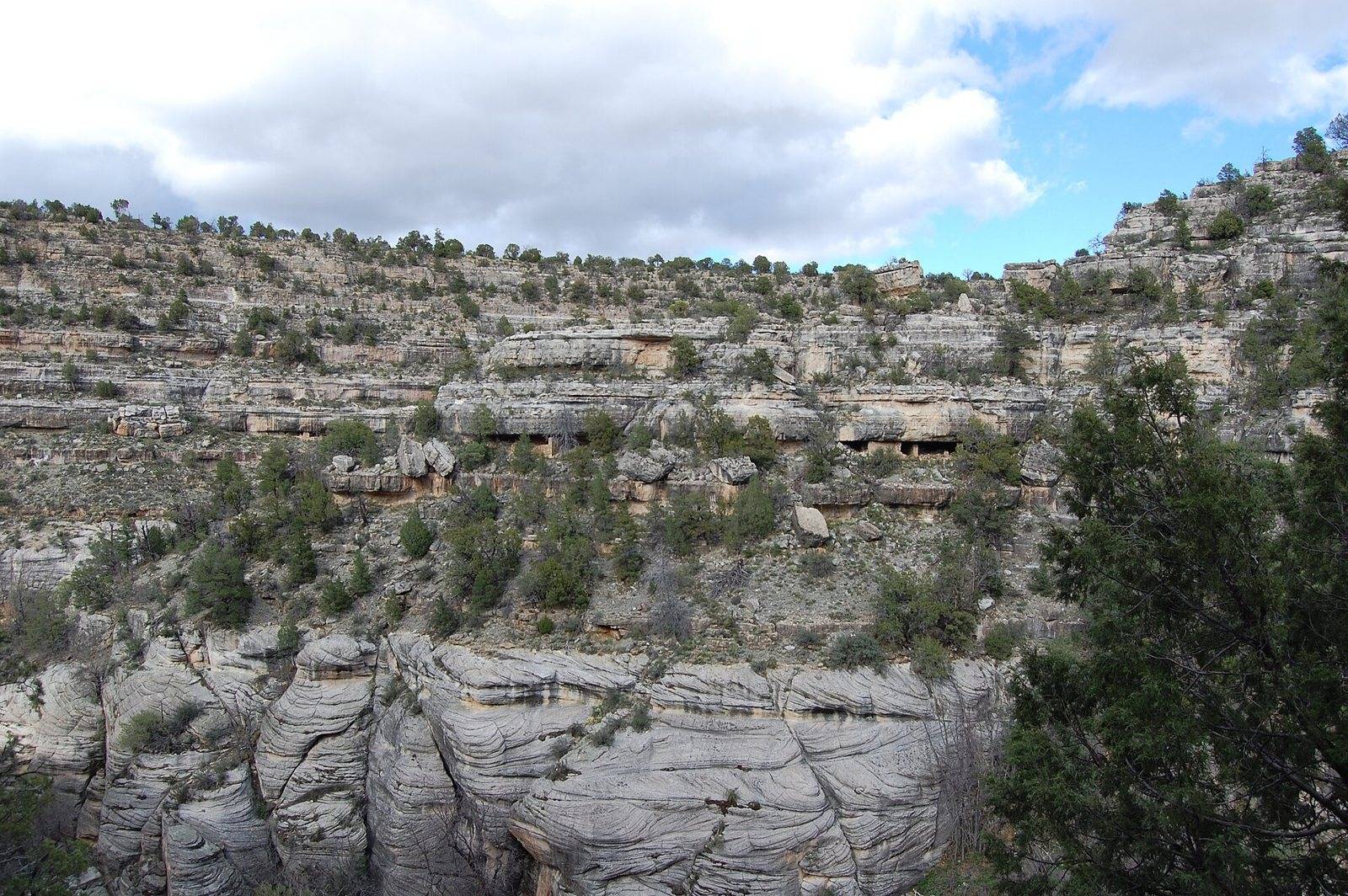
The Flagstaff Area National Monuments
Cliff rooms, a young volcano and desert pueblos, run together by the Park Service as one unit.
Route 66 in Flagstaff
A railroad town on the Mother Road, from the Weatherford Hotel to a fiberglass lumberjack.
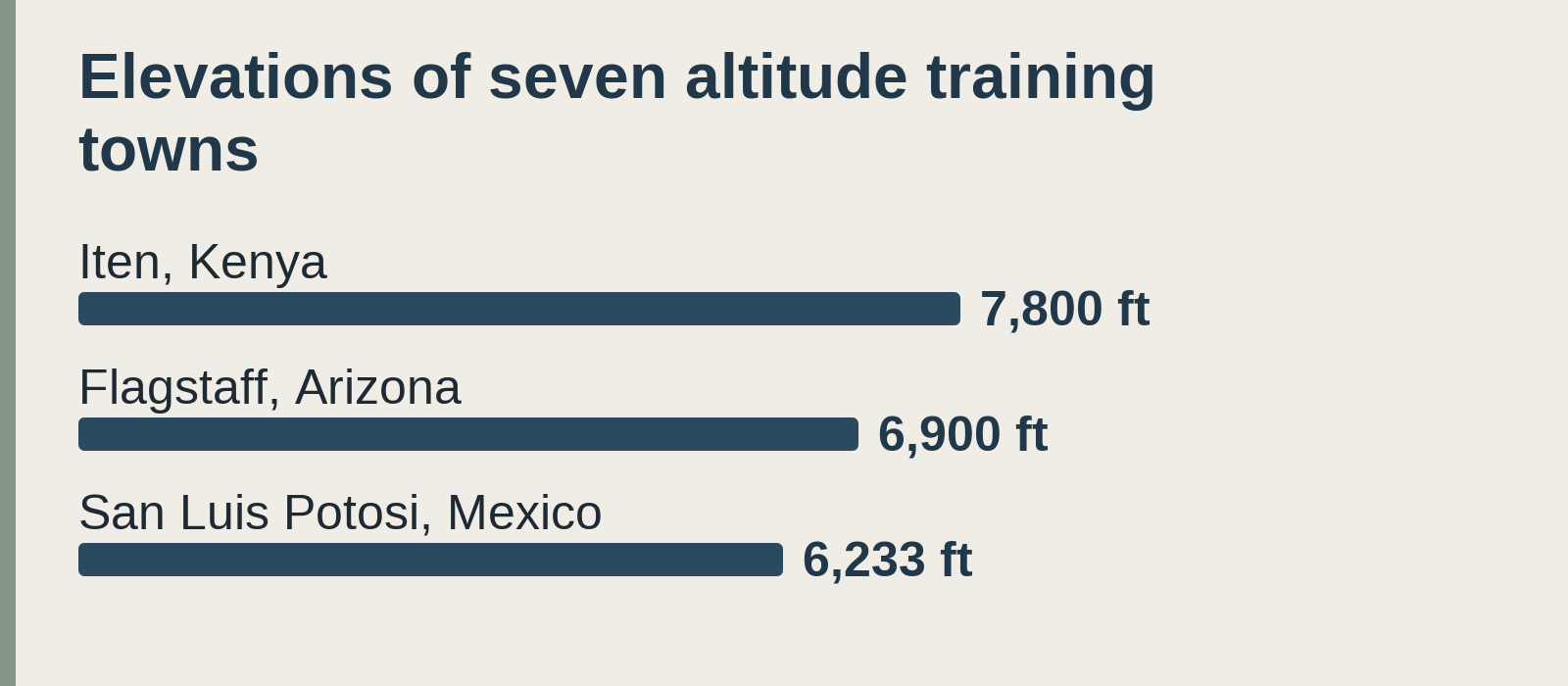
Training at Altitude in Flagstaff
Olympians, college teams and teenage cross country squads, all chasing red blood cells on Flagstaff's dirt roads.


